Get WhatsApp Blue Tick Verified with 10% off
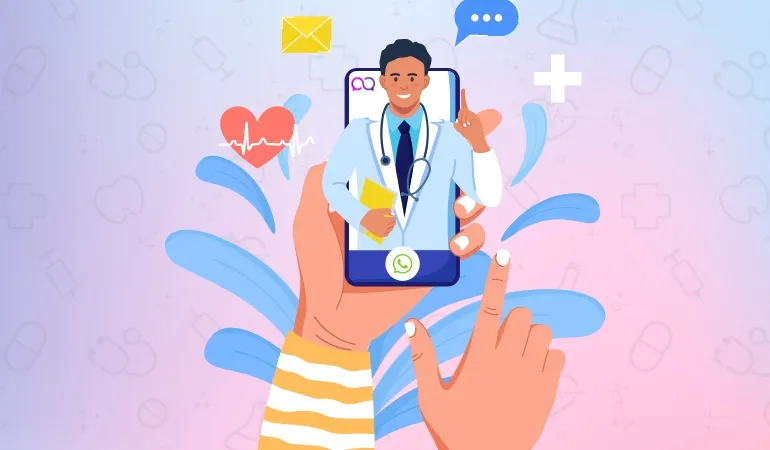
A few years ago, I worked with a small heart clinic in Nagpur. The doctor was brilliant - a real favorite among patients - but the clinic still struggled with missed appointments and poor follow-ups. The front desk staff spent half their day trying to call people who, more often than not, didn’t answer. Emails? Forget it. Most patients didn’t even check them.
One afternoon, during a coffee break, one of the nurses laughed and said, “If we just sent them a WhatsApp, they’d respond in five minutes.” She wasn’t wrong. Most of those patients were already active on the app all day — chatting with family, sharing recipes, and forwarding health tips. That’s when we decided to give it a try.
The Way Patients Communicate Has Changed
People want quick, easy updates. They don’t want to be put on hold or wait for a call back. They certainly don’t want to read through a long email just to find their appointment date.
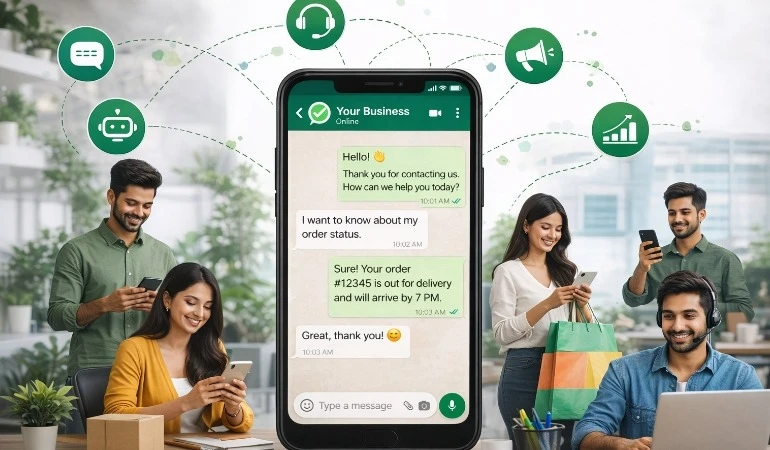
Think about it — if your phone pings and it’s a WhatsApp message, you’re likely to open it within seconds. Patients are no different. Whether it’s a reminder about tomorrow’s check-up or a quick note that their lab results are ready, it just works better when the update is right there in the app they already use.
Why WhatsApp Fits So Well in Healthcare
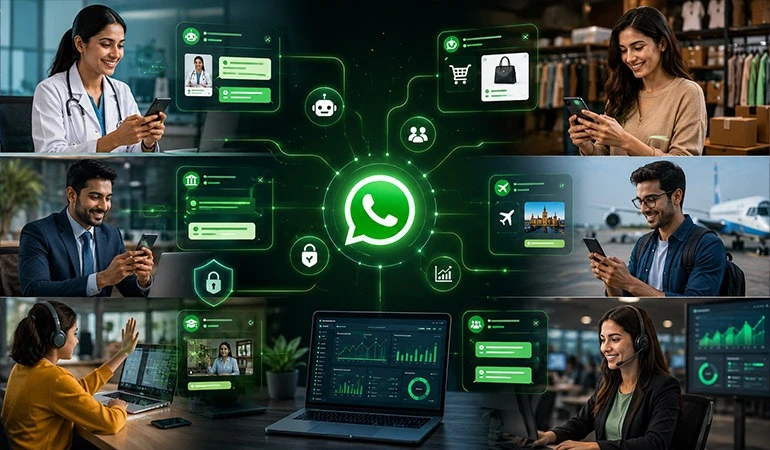
From what I’ve seen in different clinics and hospitals, here’s what makes WhatsApp stand out:
• It’s already in their hands – No one has to download something new.
• It feels familiar – Patients are comfortable with the interface.
• It’s quick – Messages get seen almost instantly.
• It handles more than text – You can send voice notes, PDFs, even short explainer videos.
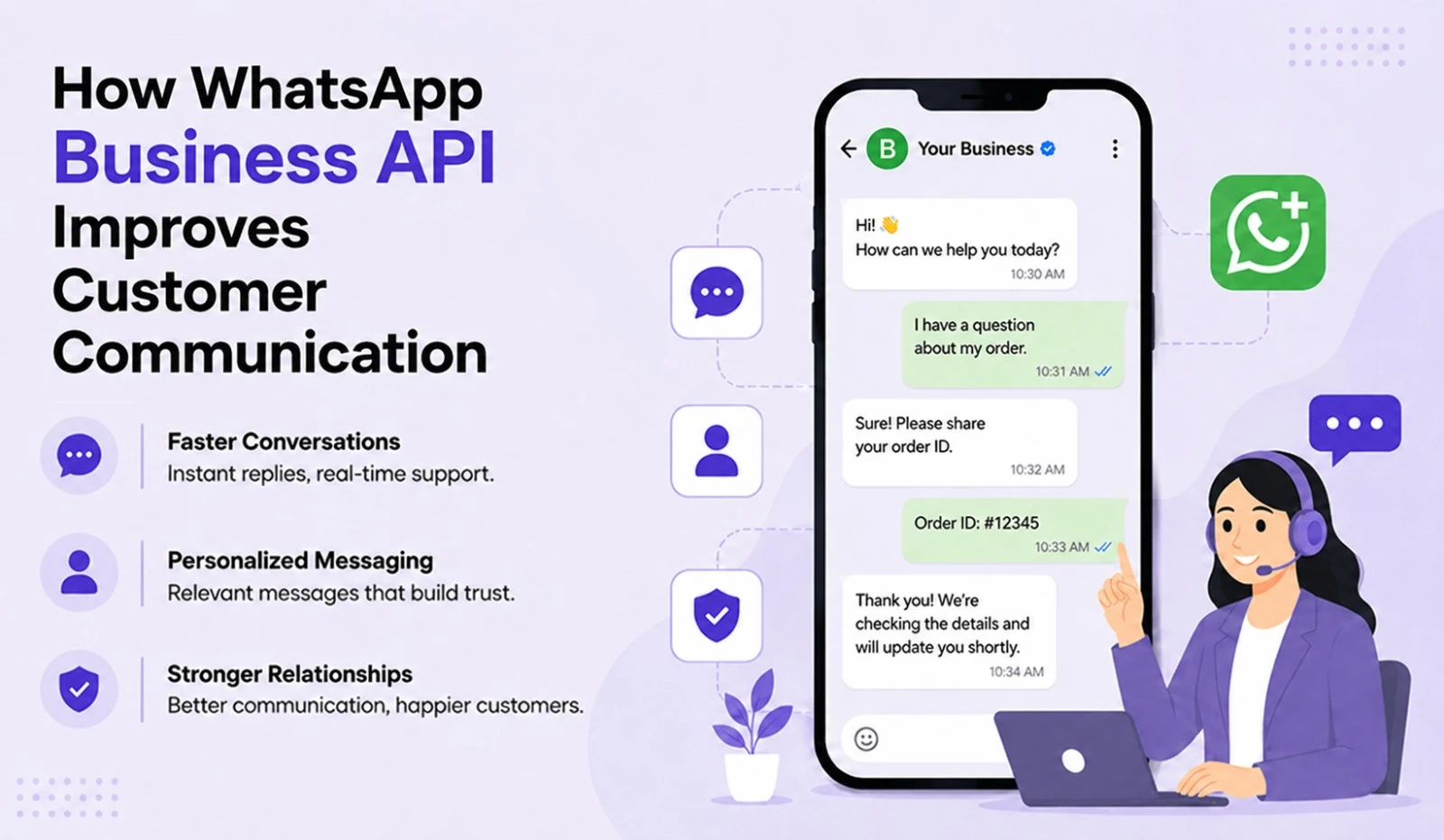
• It scales up – With the Business API, large hospitals can still manage communication without chaos.
How Hospitals Are Putting It to Work
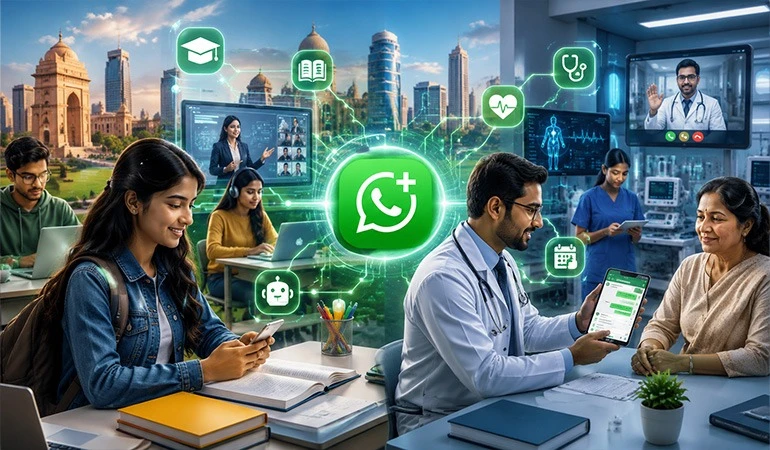
1. Friendly appointment reminders – One multi-specialty clinic in Mumbai saw a drop in no-shows within weeks of sending short, polite reminders on WhatsApp — often with a cheerful “See you tomorrow!” instead of a stiff automated line.
2. Aftercare messages – Instead of a crumpled instruction sheet, patients get a message they can pull up anytime. Things like when to change a bandage or which exercises to avoid.
3. Bite-sized health tips – A pediatrician I know sends short “Parent Tips” every Sunday morning. Parents love it — it keeps the doctor top of mind without feeling intrusive.
4. Sharing reports – Why make a patient travel across town to pick up a piece of paper when you can send a secure PDF in seconds?
5. Quick virtual check-ins – For routine follow-ups, a five-minute WhatsApp video call can save everyone time and keep the consultation list moving smoothly.
Why Clinics Benefit Too?
This isn’t just about patient convenience. For providers, WhatsApp means:
• Faster responses compared to phone or email.
• Stronger, more personal connections with patients.
• Lower costs on printing and postage.
• Staff freed up from repetitive follow-up calls.
Privacy Still Matters
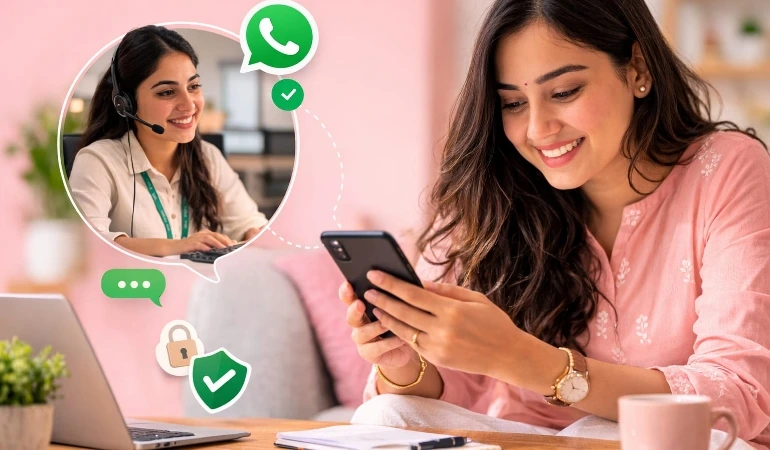
Of course, we can’t ignore patient privacy. Yes, WhatsApp encrypts messages, but that doesn’t mean all medical details should fly through it without care.
• Always get patient consent before starting WhatsApp communication.
• Use the WhatsApp Business API for more secure, trackable messages.
• Be selective about what’s sent — not every detail needs to be in chat form.
If You’re Starting Fresh
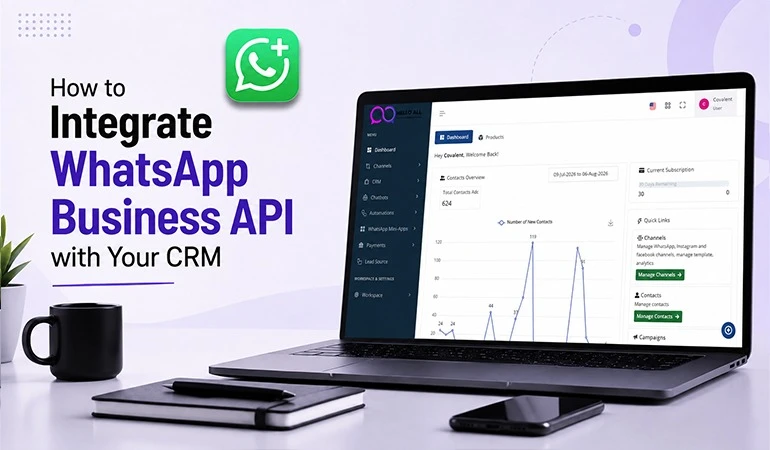
Small clinics don’t need a big tech setup to start. Begin with appointment reminders. Then add follow-up instructions. Later, think about the API so you can link WhatsApp with your patient management system.
Also, make sure your team keeps the tone human. Templates are fine, but don’t let every message sound like it was copied and pasted from a manual. Patients can tell.
The Road Ahead
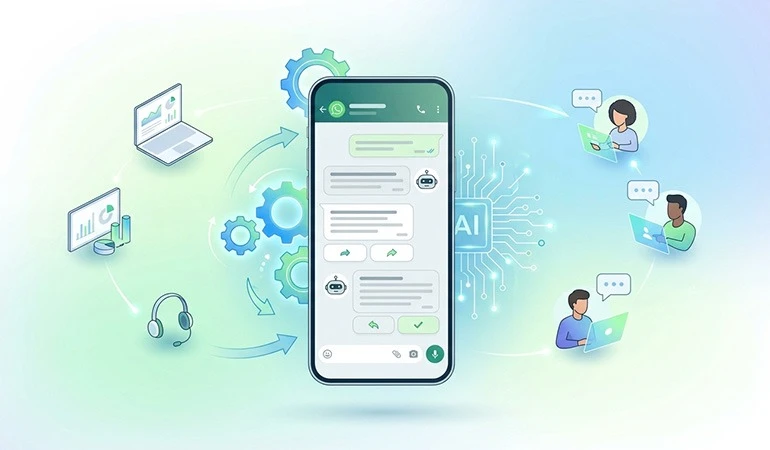
In the next few years, I expect WhatsApp to become even more integrated into healthcare — from AI assistants answering basic health queries, to multilingual health reminders for diverse patient bases. If you start building this habit with your patients now, you’ll be ahead of the curve.
FAQs
By sending quick, friendly reminders, clinics can significantly reduce no-shows and improve patient attendance rates.
Appointment reminders, aftercare instructions, lab reports, health tips, and even short video consultations can be shared.
Because patients check WhatsApp instantly, while emails are often ignored or read much later.
Yes, it offers encryption, but clinics should use Business API and always take patient consent.
Start with appointment reminders, then add follow-ups, and gradually integrate with patient management systems using the API.