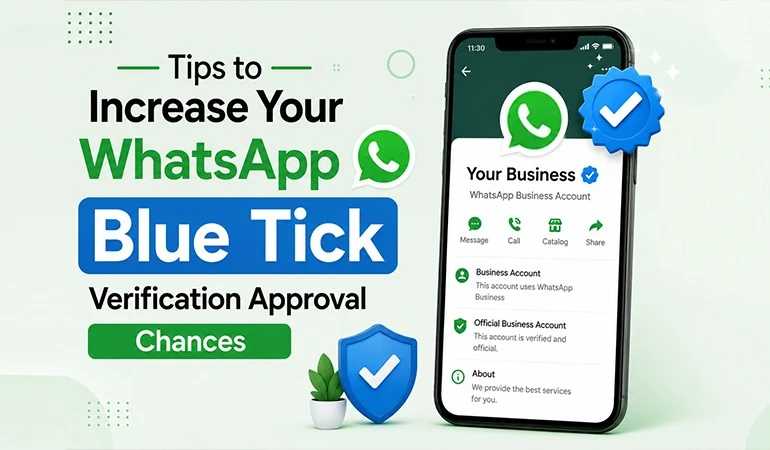
Get WhatsApp Blue Tick Verified with 10% off
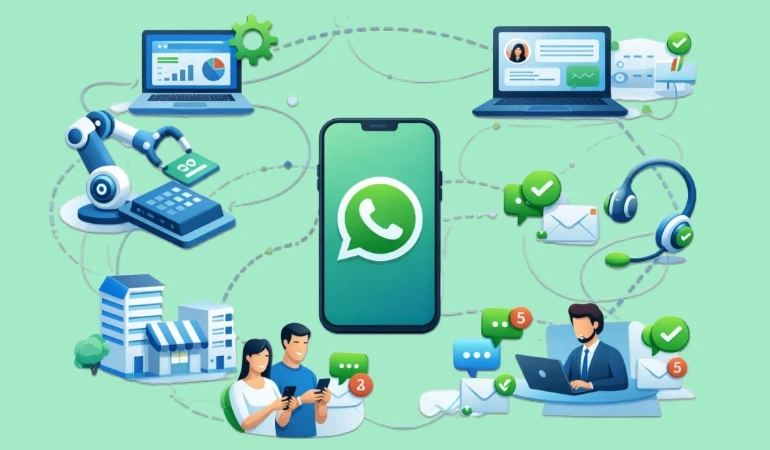
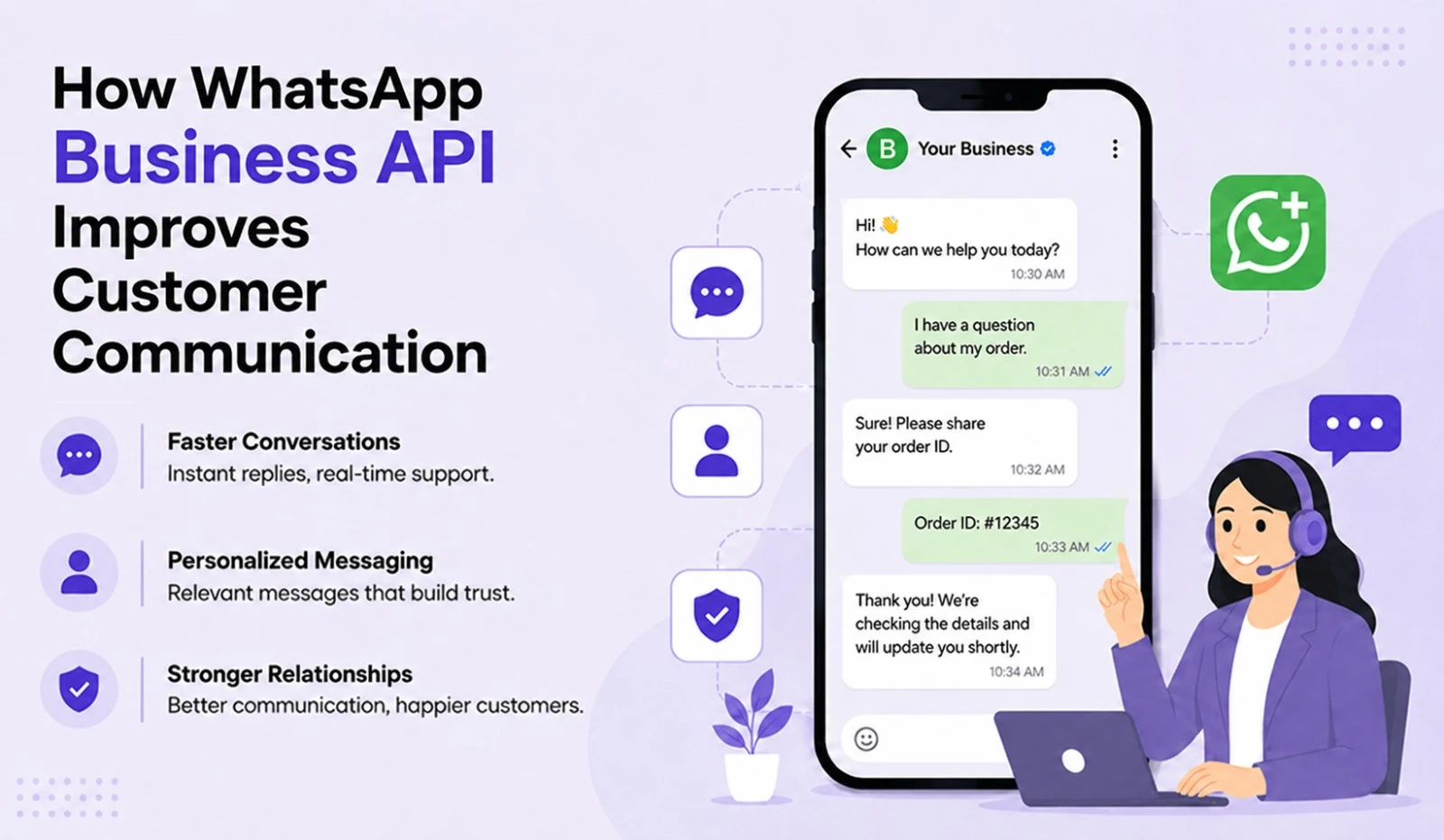
In today's digital age, clients expect instant responses. Emails are frequently opened late, calls are frequently missed, but WhatsApp is a platform that individuals check multiple times a day. This is why the WhatsApp Business API has gotten to be a capable tool for brands, particularly when they need to communicate with thousands or millions of clients at the same time, precisely and reliably.
What is the WhatsApp Business API and why is it important for your business?
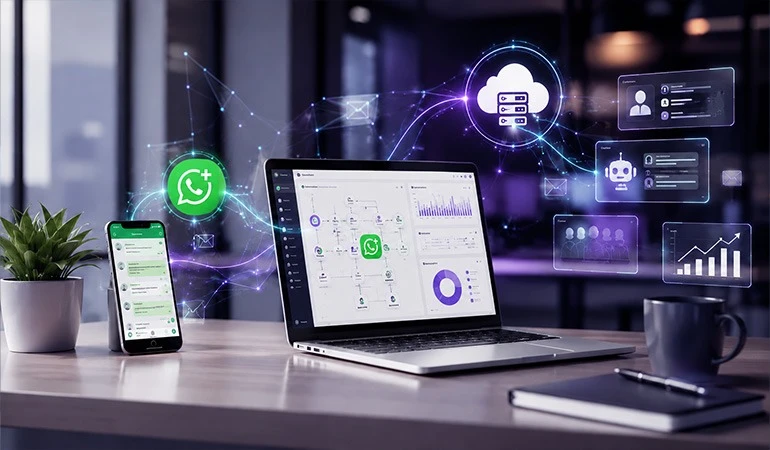
The WhatsApp Business API is a solution outlined for medium and huge businesses. It's diverse from the customary WhatsApp Business app. The app is for small businesses, whereas the API is for brands that require integrating WhatsApp with their CRM, website, app or client support system.
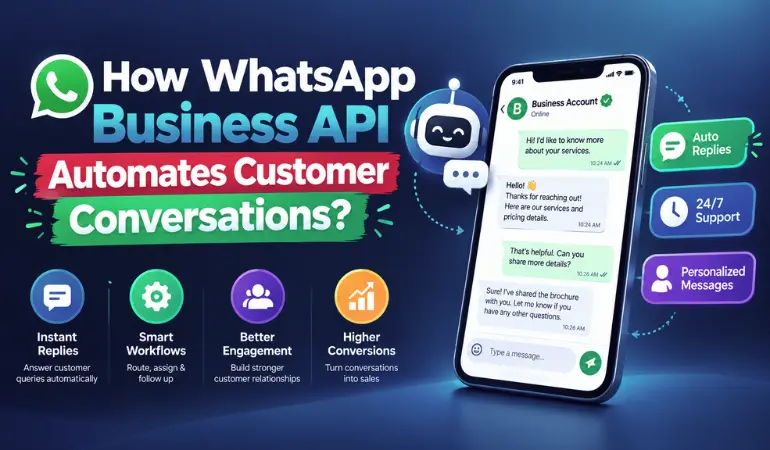
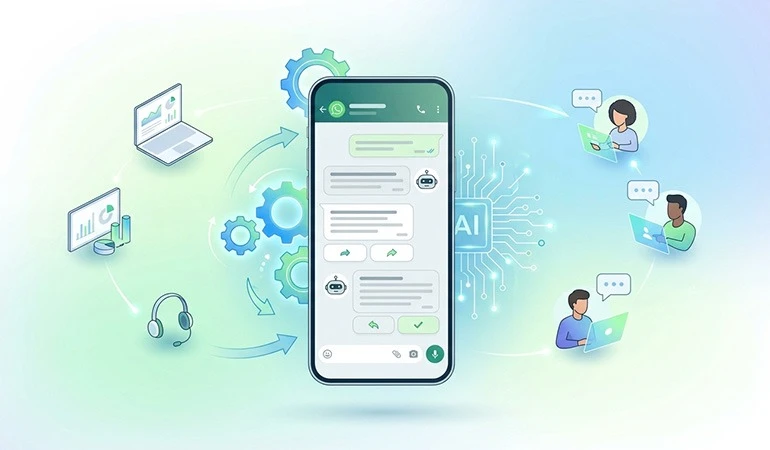
With this API, companies can send automated messages, respond to client inquiries instantly and oversee the whole discussion within a single system.
Why is the WhatsApp Business API needed?
Customer behavior has changed.
Today's client needs:
• Quick responses
• Easy and straightforward communication
• No need for repeated calls or form-filling
WhatsApp fulfills all these needs. The WhatsApp Business API enables brands to communicate with thousands of clients personally and simultaneously.
How does the WhatsApp Business API work?
The WhatsApp Business API is not installed directly on a mobile phone. It is set up through an authorized WhatsApp Business Solution Provider (BSP).
The process works something like this:
The brand applies for the WhatsApp API.
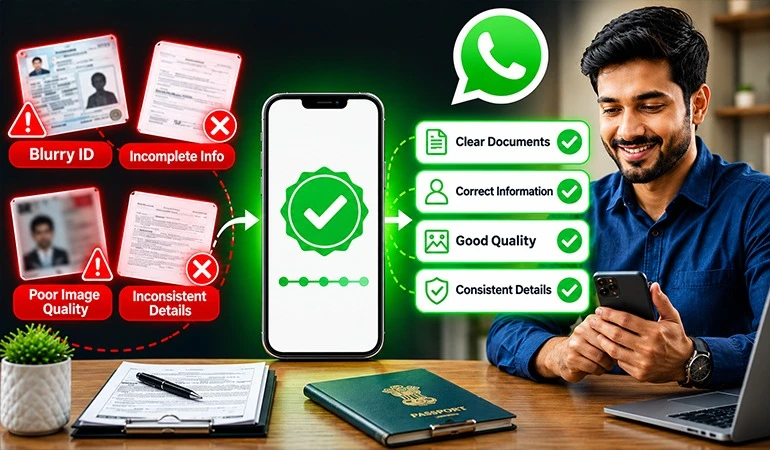
• Account verification is done through Facebook Business Manager.
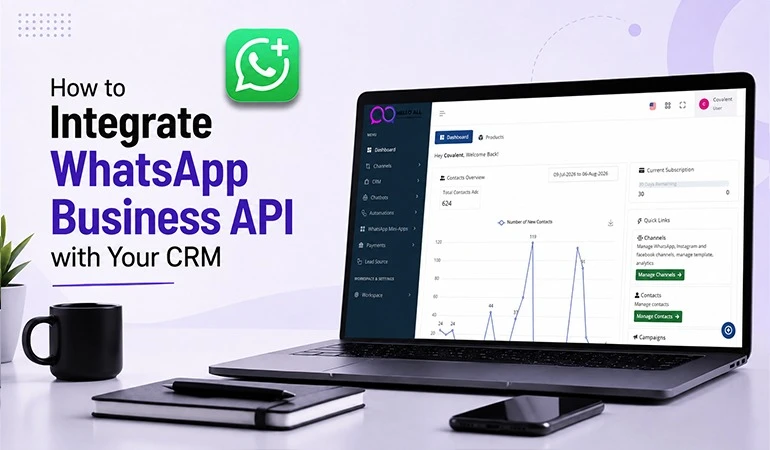
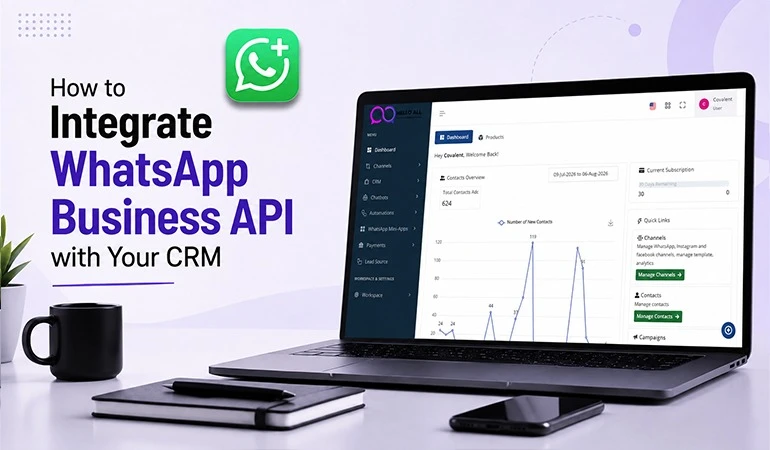
• The API is integrated with the CRM or customer support tool.
• Message templates are approved.
• Automated and live chat then begin.
How Brands Automate with the WhatsApp Business API?
1. Automated Welcome Messages
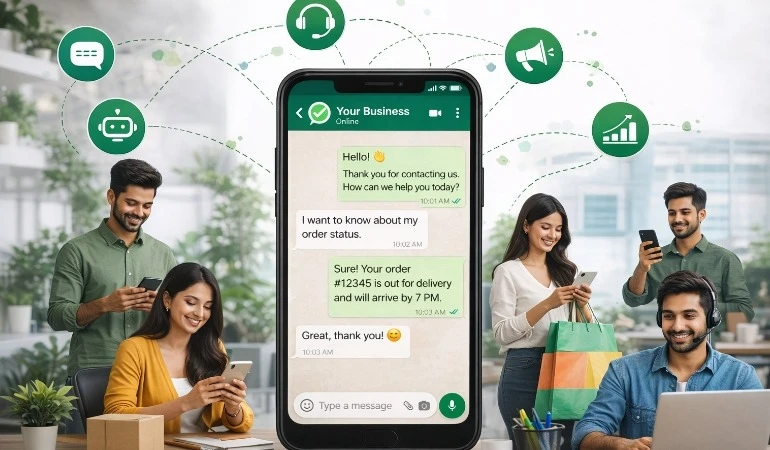
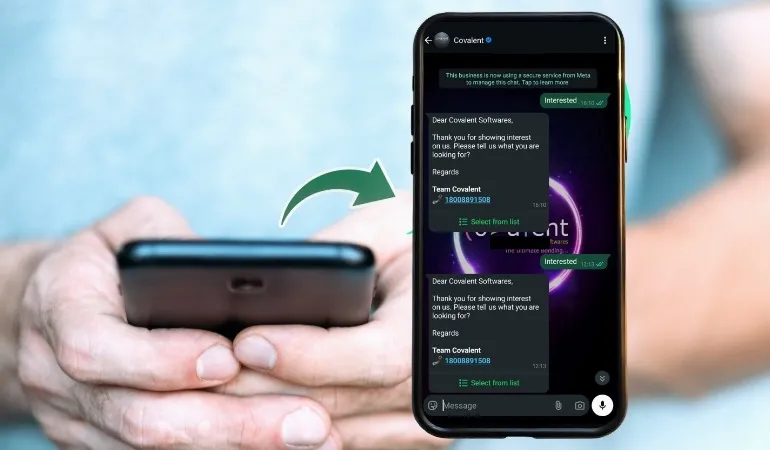
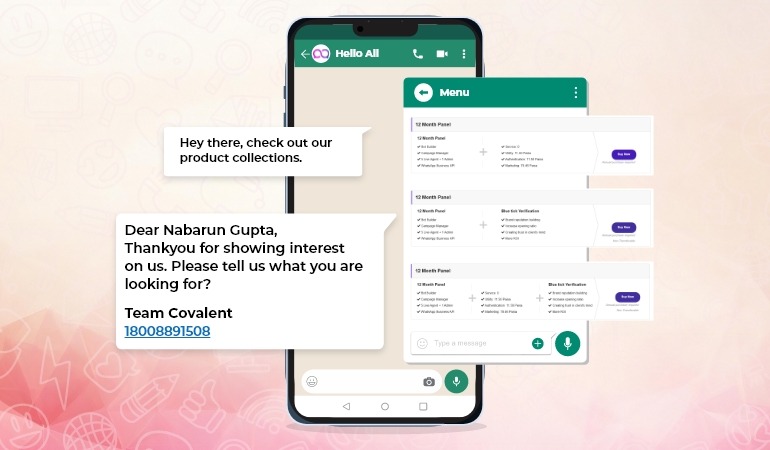
As soon as a customer sends their first message, they receive an instant welcome message. This assures the customer that their request has been received.
2. Customer Support Automation
Chatbots are used for FAQs.
Examples:
• Order Status
• Return Policy
• Delivery Time
This reduces the burden on the support team and provides instant answers to customers.
3. Order and Transaction Updates
E-commerce and service brands send order confirmations, shipment details and delivery updates via WhatsApp. WhatsApp messages have a much higher open and read rate compared to SMS.
4. Appointments and Reminders
Hospitals, salons, educational institutions and finance companies send appointment confirmations and reminders. This reduces no-shows.
5. Lead Generation and Sales Follow-up
Leads generated from websites or Facebook ads are sent automated messages on WhatsApp. A live agent takes over the conversation when needed.
Key Benefits of WhatsApp Business API
Communicate with thousands of customers from a single platform
• Very high message open rate
• Balance of automation and personal touch
• Easy integration with CRM and other tools
• Secure and end-to-end encrypted communication
Which Industries Can Benefit from WhatsApp Business API?
• E-commerce and Retail
• Travel and Hospitality
• Education and Coaching
• Healthcare
• Banking and Finance
• Real Estate
Nearly every business that communicates regularly with clients can benefit from the WhatsApp API.
Difference between WhatsApp Business API and WhatsApp Business App
The WhatsApp Business App is a mobile-based app and can as it were be utilized by one or two individuals. The WhatsApp Business API, on the other hand, is a system based solution where multiple agents can work simultaneously and the entire conversation can be automated.
• The API is for large brands, while the app is for small businesses.
• Things to Consider Before Adopting WhatsApp Business API.
• Only send messages for which you have the customer's consent.
• Do not send spam or excessive promotional messages.
• Message templates should be clear and useful.
• Maintain human support alongside automation.
FAQs
No, the WhatsApp Business API is not completely free. It has message based charges and BSP (Business Solution Provider) fees may also apply.
It is reasonable for medium and huge businesses that require to oversee a high volume of client communication.
Yes, but as it were with approved templates and client consent.
It more often than not takes 7 to 15 days, including verification and template approval.
Yes, it can be integrated with nearly all major CRMs and client support tools.