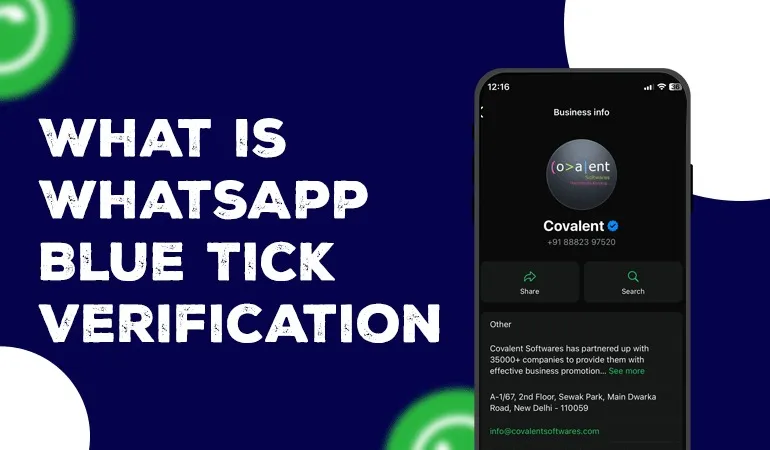
Get WhatsApp Blue Tick Verified with 10% off
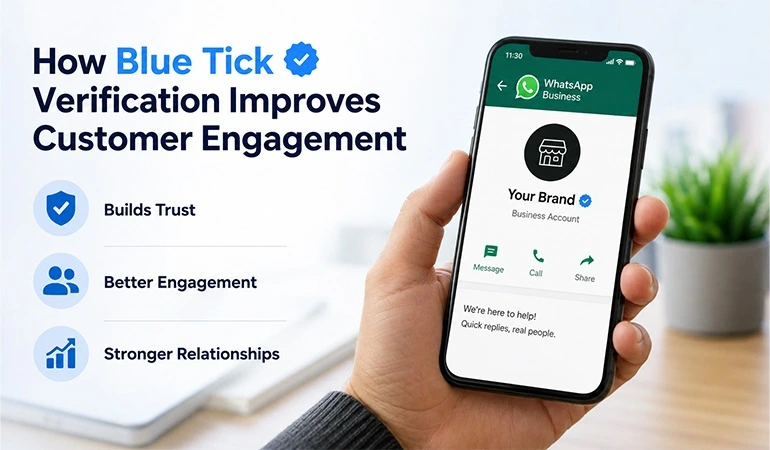
In digital communication, customers want to know who they are talking to before they share personal information, ask questions, or make a purchase. A verified business profile can provide that extra layer of confidence.
Blue Tick Verification helps customers identify an authentic business account and distinguish it from fake or misleading profiles. For companies using messaging platforms to communicate with customers, this small visual signal can influence how people respond to messages.
For businesses such as HelloAll, verified communication can support stronger customer relationships by combining authenticity, trust and direct engagement.
What Is Blue Tick Verification?
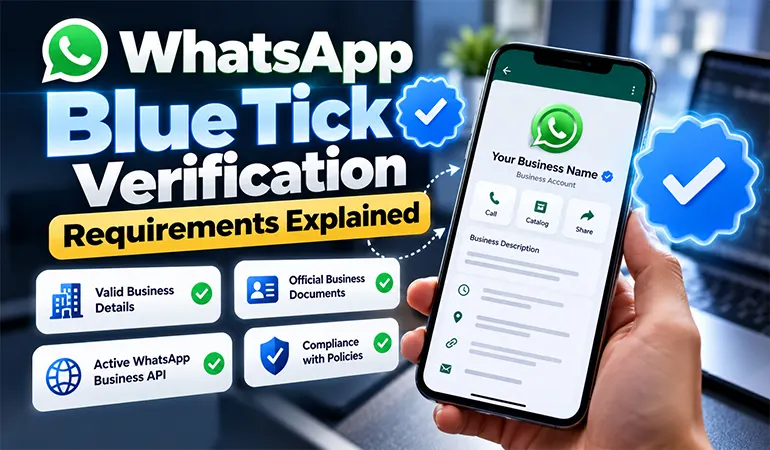
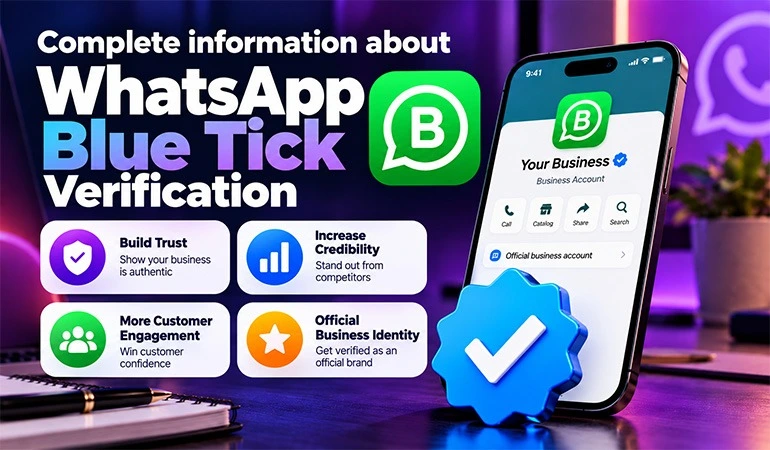
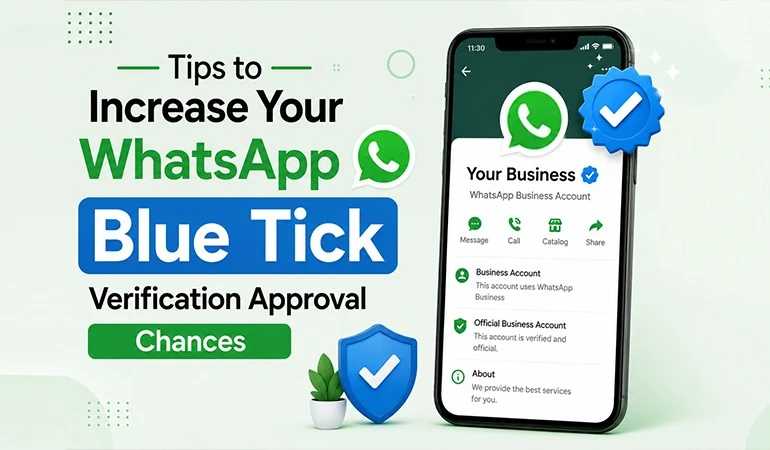
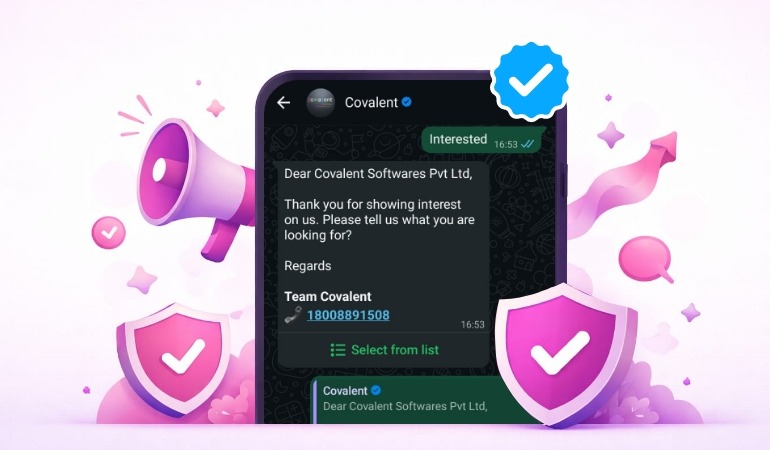
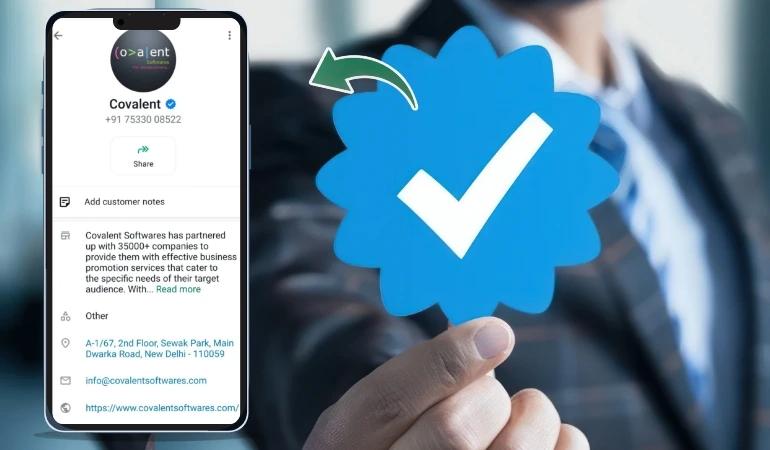
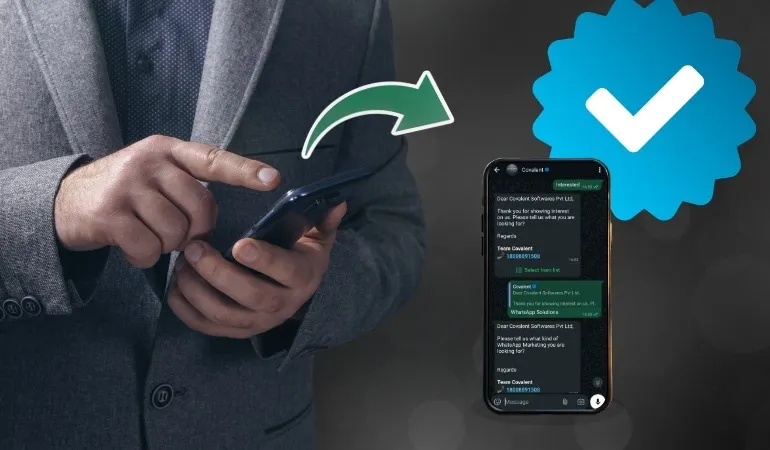
Blue Tick Verification is a verification badge displayed on an eligible business account to indicate that the platform has confirmed the account's authenticity.
Customers may come across several accounts using similar business names, logos, or descriptions. A verification badge helps them identify the genuine business profile.
This is particularly useful for businesses that depend on messaging for:
• Customer support
• Sales enquiries
• Order updates
• Appointment confirmations
• Promotional communication
• Lead follow-ups
• Important notifications
The badge does not replace good customer service. It works alongside clear communication, quick responses and reliable information.
Why Customer Trust Matters in Digital Communication
Customers are increasingly cautious about unknown messages. Fake accounts, impersonation, misleading offers and fraudulent links can make people hesitate before responding to a business.
When customers see a verified business identity, they have an additional reason to believe that the conversation is genuine.
Trust can influence several stages of the customer journey:
• Opening a business message
• Replying to an enquiry
• Sharing required information
• Clicking a legitimate link
• Asking for product details
• Completing a purchase
• Returning for future support
For a company using business messaging as part of its communication strategy, establishing credibility at the first interaction can make conversations easier.
How Blue Tick Verification Improves Customer Engagement
1. Creates Immediate Brand Recognition
A verified badge makes a business profile easier to identify. Customers can quickly distinguish an authentic account from profiles that may be pretending to represent the company.
This is especially valuable for well-known brands, financial services, online stores, educational companies and businesses handling frequent customer enquiries.
2. Builds Confidence Before the First Reply
People are more likely to engage when they feel confident about the identity behind a message.
A verified profile gives customers a visible indication that they are communicating with an authenticated business. This can reduce hesitation during the first interaction.
3. Supports Better Response Rates
Customer engagement begins when people respond. A trusted business identity can encourage customers to read, reply to, or continue a conversation.
The quality of the message still matters. Businesses should keep communication relevant, concise and useful rather than relying on verification alone.
4. Reduces Confusion Caused by Fake Accounts
Impersonation can damage customer confidence. A fake account may use a company's name, logo, or other branding elements to mislead customers.
Verification helps customers identify the legitimate business presence more easily. This can be particularly important when customers receive multiple messages from accounts using similar identities.
5. Strengthens Customer Support
Customer support often involves sensitive questions, account details, order information, or service requests.
A verified business identity can make customers more comfortable starting a support conversation. Once the conversation begins, businesses can provide structured assistance and resolve issues more efficiently.
6. Makes Business Communication More Professional
A verified profile can contribute to a consistent and credible brand presence.
When verification is combined with professional messaging, accurate business information, clear response processes and timely support, customers get a more dependable communication experience.
Blue Tick Verification and the Customer Journey
Customer engagement is not limited to promotional messages. It covers every interaction between a customer and a business.
A typical journey may look like this:
Awareness → Enquiry → Conversation → Purchase → Support → Repeat Engagement
Verification can support the trust element throughout these stages.
For example, a customer may first receive a product update, ask a question, place an order and later contact support through the same verified business account. A consistent identity makes these interactions easier to recognise.
Use Case 1: E-commerce Customer Communication
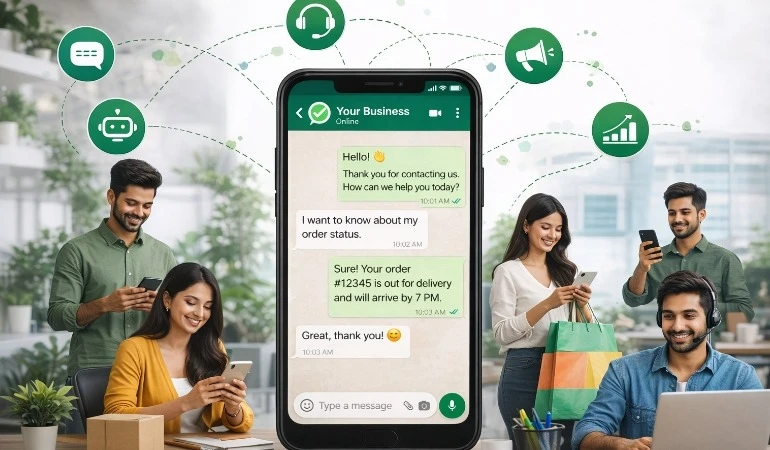
An online retailer may use business messaging to send order confirmations, delivery updates, product information and customer support responses.
Customers can be cautious when receiving links or updates related to their purchases. A verified business profile can help them recognise the legitimate account.
The retailer can then use messaging to:
• Confirm orders
• Share delivery updates
• Answer product questions
• Handle return requests
• Recommend relevant products
• Collect customer feedback
This creates a more connected communication experience from purchase to post-sale support.
Use Case 2: Education and Training Businesses
An education company may communicate with students and prospective learners about courses, admission details, class schedules and support.
A verified profile can help students identify the genuine institution or training provider, particularly when similar names are being used online.
The business can use verified messaging for:
• Course enquiries
• Admission assistance
• Demo class reminders
• Fee-related information
• Class notifications
• Student support
A trusted communication channel can make prospective students more comfortable asking questions before making a decision.
Case Study 1: Online Retail Brand
Consider an online retail brand receiving hundreds of customer enquiries through business messaging.
Before verification, some customers hesitate to respond because they have previously encountered fake shopping accounts. Others ask whether the account is genuinely operated by the brand.
After establishing a verified business presence, the company has a clearer identity in customer conversations.
The business also improves its messaging practices by using concise order updates, clear support messages and relevant product communication.
The result is a stronger customer experience because customers can identify the business more confidently and continue conversations through a recognised channel.
Case Study 2: Financial Service Provider
A financial service provider needs to communicate carefully because customers may be concerned about fraud and impersonation.
Suppose the company uses messaging for service notifications, customer assistance and appointment communication. A verified identity gives customers another visible indication that the conversation is associated with the legitimate business.
The company can strengthen this further by avoiding suspicious-looking links, clearly identifying the purpose of each message and directing customers to official support channels when necessary.
Here, verification becomes part of a wider trust-building process rather than a standalone feature.
How HelloAll Can Support Trusted Business Communication
HelloAll can help businesses build structured communication experiences around their customer interactions.
Businesses can use messaging to stay connected with customers throughout the sales and support cycle. The focus should be on delivering useful information at the right stage of the customer journey.
A strong communication strategy can include:
• Verified business identity
• Personalised customer messages
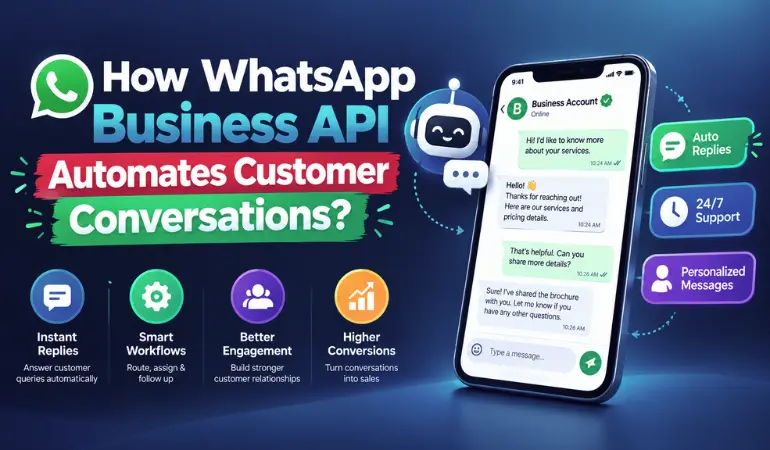
• Automated responses
• Customer support conversations
• Timely notifications
• Lead follow-ups
• Promotional communication
• Customer re-engagement
When these elements work together, businesses can create a communication channel that customers recognise and are more willing to use.
Best Practices for Using a Verified Business Account
Blue Tick Verification should be supported by responsible communication practices.
Keep Business Information Consistent
Use the same legitimate business name, branding and contact information across official channels.
Send Relevant Messages
Customers are more likely to engage when messages provide useful information rather than unnecessary notifications.
Respond Quickly
Verification can create initial confidence, but poor response times can weaken that confidence.
Protect Customer Information
Businesses should follow appropriate privacy and data protection practices when collecting or handling customer information.
Avoid Over-Messaging
Sending too many promotional messages can lead to customer fatigue. Communication should have a clear purpose.
Blue Tick Verification Is More Than a Badge
A verification badge can help establish authenticity at the point where a customer first encounters a business account. Its real value comes from what happens after that interaction.
Customers still expect useful answers, accurate information, respectful communication and dependable support.
For businesses using digital messaging as a serious customer communication channel, verification can become an important part of a broader trust-building strategy.
FAQs
It indicates that the business account has gone through the platform's verification process and has been recognised as an authentic business presence.
No. Verification can improve trust and recognition, but engagement also depends on message quality, relevance, timing, customer service and response speed.
Yes. A verified identity can make it easier for customers to distinguish an authentic business account from accounts attempting to imitate the brand.
Yes. Small businesses can also benefit from stronger identity recognition, particularly when they communicate with customers through messaging platforms.
HelloAll can support businesses in building structured messaging experiences for sales, customer support, notifications, follow-ups and ongoing customer communication.