Get WhatsApp Blue Tick Verified with 10% off

In today's world, clients anticipate fast responses. If a response is deferred, the client frequently moves on to other alternatives. Consequently, it has become basic for businesses to move forward the speed of their responses.
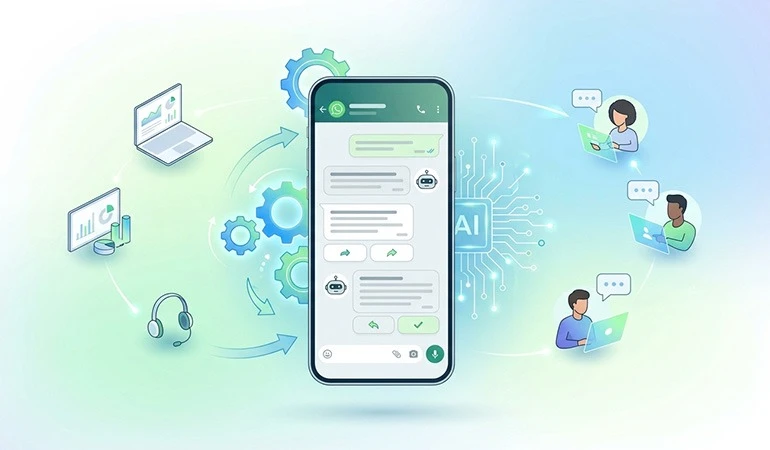
This is where Automated Workflows, powered by the WhatsApp Business API, emerge as a strong solution. Not as it were to save time, but they also essentially upgrade the client experience.
What is the WhatsApp Business API for Automated workflows?
The WhatsApp Business API is a platform that empowers companies to interface with clients on a huge scale. It is designed particularly for businesses that handle a high volume of client inquiries on a daily basis.
With its help, you can:
• Provide instant responses to customers
• Send automated messages
• Handle multiple customers simultaneously
• Integrate with CRM systems and other tools
What Are Automated Workflows?
Automated Workflows involve creating systems that operate automatically based on predefined rules.
For example:
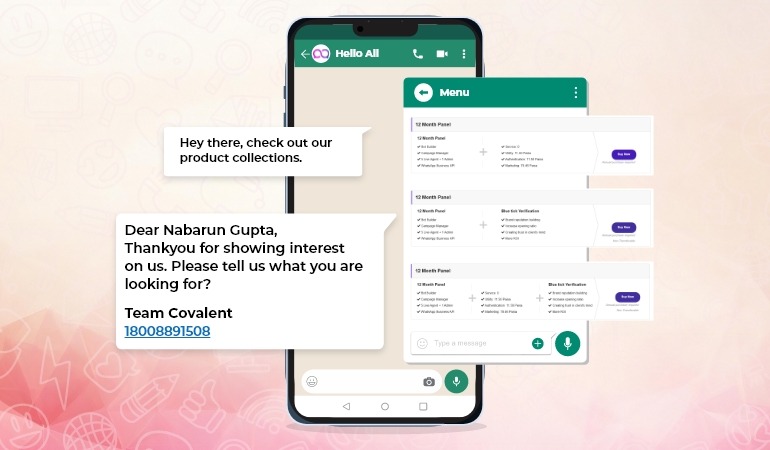
• An instant welcome message is sent as soon as a customer sends "Hi."
• An automated message is dispatched immediately upon order confirmation
• The support team receives an alert the moment a complaint is registered
Such workflows reduce manual effort and accelerate the speed of responses.
Why Is Reducing Response Time Important?
Providing quick responses is no longer just a convenience; it has become a business imperative.
The primary reasons include:
• Customers make decisions quickly
• Delayed responses erode customer trust
• It is essential to remain competitive
• A superior experience encourages customer retention
If your response time is low, your conversion rate will actually improve.
How Do Automated Workflows Reduce Response Time?
1. Instant Auto-Replies
As soon as a client sends a message, they get a quick response. This ensures the client does not have to wait.
2. Smart Routing
Through workflows, messages are automatically directed to the suitable team or agent. Sales-related inquiries go to the Deals Team.
Support-related inquiries go to the Support Team.
This saves time.
3. Pre-defined Templates
Pre-prepared responses are kept ready for frequently asked questions.
• Order Status
• Delivery Updates
• Pricing Information
This eliminates the need to type a new response every single time.
4. 24/7 Availability
Thanks to automation, your business remains active around the clock-whether it is during office hours or not.
5. Follow-up Automation
If a customer fails to respond, the system can automatically send a reminder.
Steps to Set Up Automated Workflows
If you wish to implement this in your business, follow these simple steps:
1. Identify Common Queries
First, understand what your customers ask about most frequently.
2. Create Message Templates
Draft a clear and concise response for each common query.
3. Design the Workflow
Determine which action should follow a specific message.
4. Choose the Right Tool
Select a platform that integrates seamlessly with the WhatsApp Business API.
5. Testing and Improvement
Test the workflow and continue to make improvements as needed.
Real-World Use Case
Let's imagine an e-commerce company.
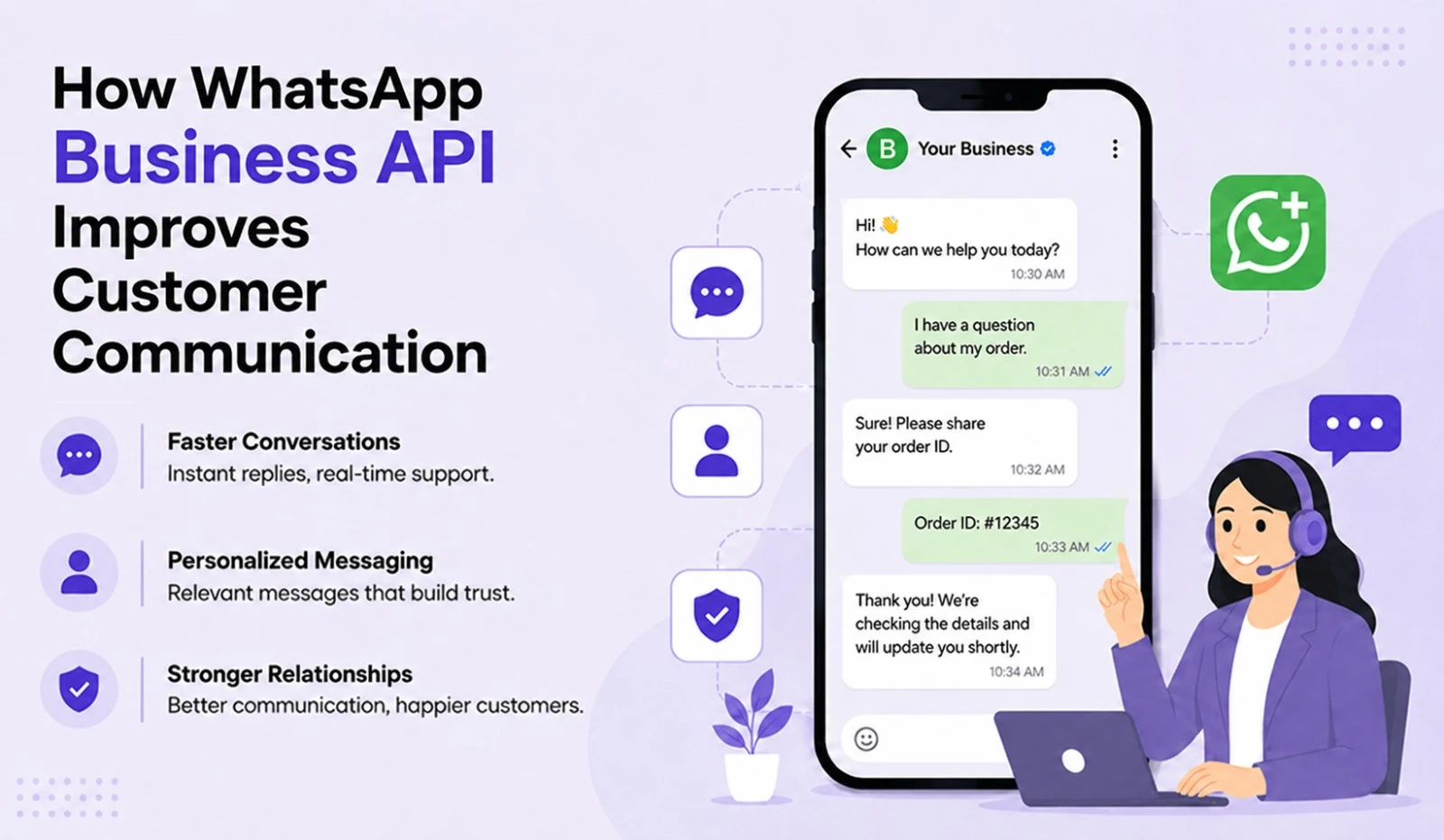
A customer types "Order Status."
The system provides an automated response.
The customer enters their order number.
They instantly receive their order status.
This entire process requires no human agent intervention, and the customer receives an immediate resolution.
FAQs
Yes, if you engage in regular customer interactions, it is highly beneficial for small businesses as well.
No, with the right tools and planning, it can be set up quite easily.
If executed correctly, the experience is enhanced because responses are received quickly.
Yes, Automated Workflows function continuously, around the clock.
While an agent is required for certain complex cases, automation handles most general inquiries.