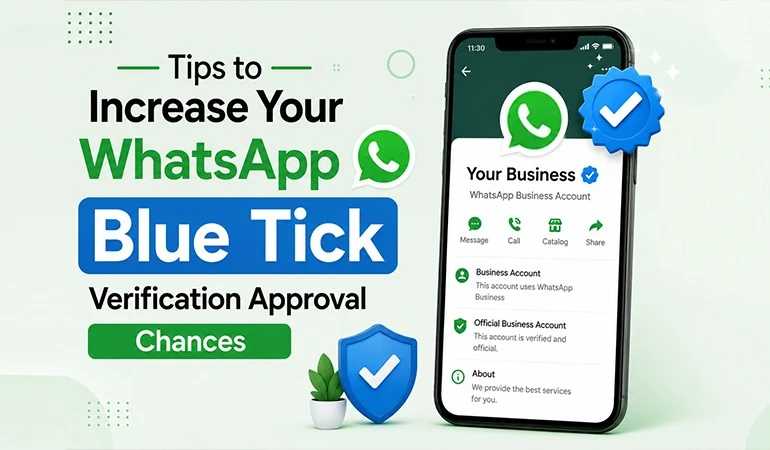
Get WhatsApp Blue Tick Verified with 10% off
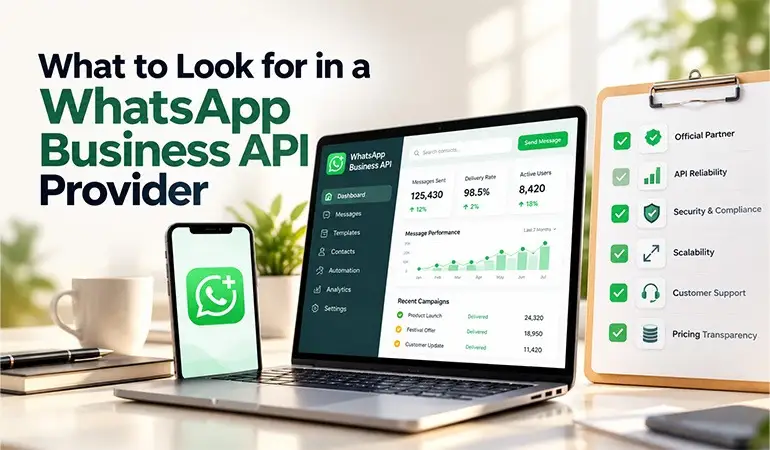
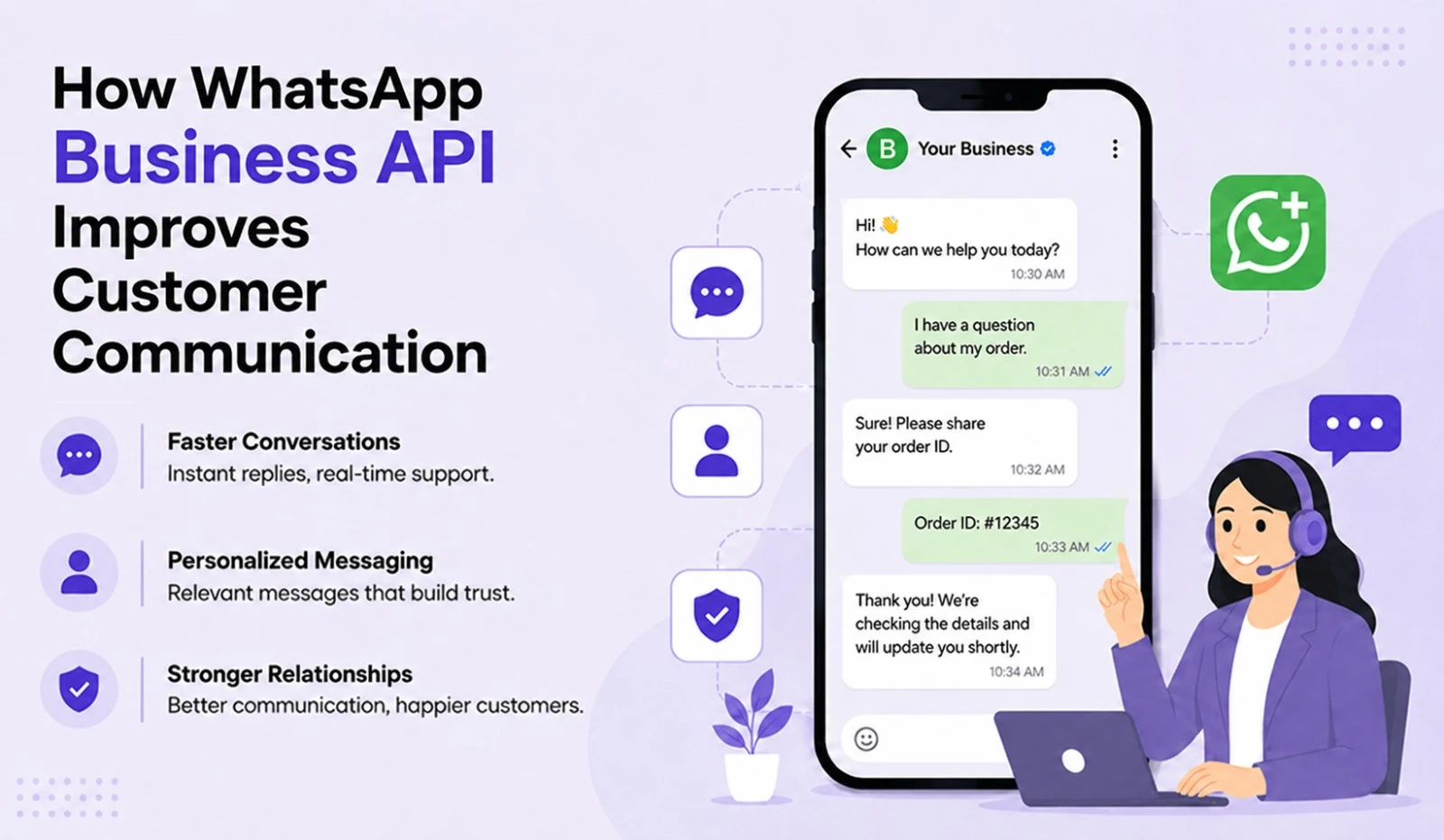
WhatsApp has become an essential communication channel for businesses looking to connect with customers, generate leads, share order updates, send appointment reminders and manage sales follow-ups. As businesses expand their communication efforts, having the right messaging solution becomes increasingly important.
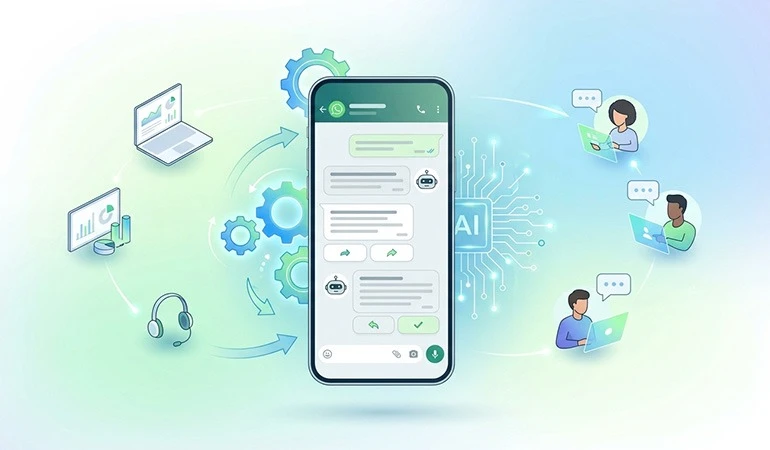
The regular WhatsApp Business App may not offer all the capabilities required by growing businesses. The WhatsApp Business API enables companies to integrate WhatsApp with CRM systems, automation tools and other business applications to manage customer communication more efficiently.
When evaluating HelloAll or any other WhatsApp Business API provider, businesses should consider their operational requirements, integration needs and long-term goals rather than selecting a solution based only on the lowest price.
What Is a WhatsApp Business API Provider?
A WhatsApp Business API provider helps businesses access and manage WhatsApp Business Platform capabilities through a business messaging solution. These providers can simplify the implementation and management of WhatsApp communication for organisations of different sizes.
Unlike the standard WhatsApp Business App, the API supports integration with business software and communication workflows. Depending on the platform and configuration, businesses can manage multiple agents, automate conversations, send notifications and connect WhatsApp with their existing CRM systems.
A provider may also assist with technical onboarding, message template management, chatbot configuration and campaign management, making it easier for businesses to organise their communication activities.
Why Choosing the Right Provider Matters
Selecting the right WhatsApp Business API provider can directly affect how efficiently your team handles customer enquiries, sales conversations and automated messages.
A suitable platform should complement your existing business processes and help your team manage communication without introducing unnecessary complexity.
Choosing an unsuitable provider may lead to challenges such as:
• Complicated onboarding and account setup
• Limited CRM and software integration options
• Unclear pricing structures
• Insufficient automation capabilities
• Limited analytics and reporting
• Delayed technical assistance
• Difficulty managing multiple customer conversations
A provider that meets your business requirements can help simplify communication management and support future growth.
1. Check Official WhatsApp Business Platform Support
Before choosing a provider, confirm that it offers access to the official WhatsApp Business Platform and clearly explains how the onboarding process works.
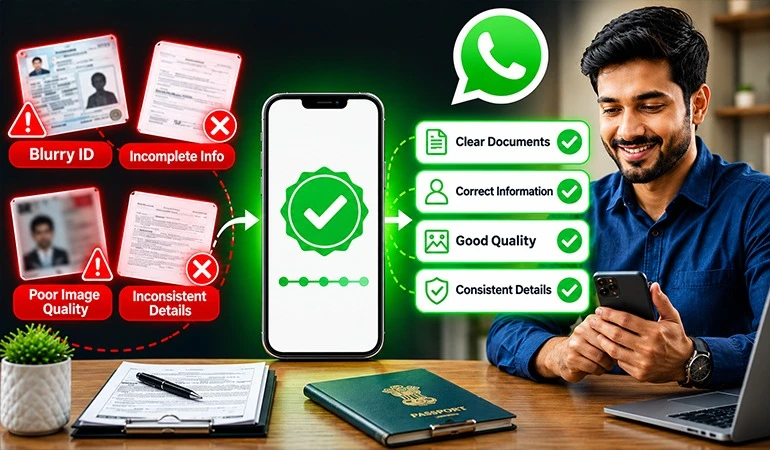
Understand how the provider handles business verification, phone number registration, account configuration and messaging requirements. Clear guidance during these steps can help reduce implementation difficulties.
Businesses must also follow applicable WhatsApp policies regarding customer consent, message templates and outbound communication.
Before committing to a platform, ask the provider to explain the complete setup process, any prerequisites and the responsibilities involved in maintaining compliance.
2. Evaluate WhatsApp Automation Features
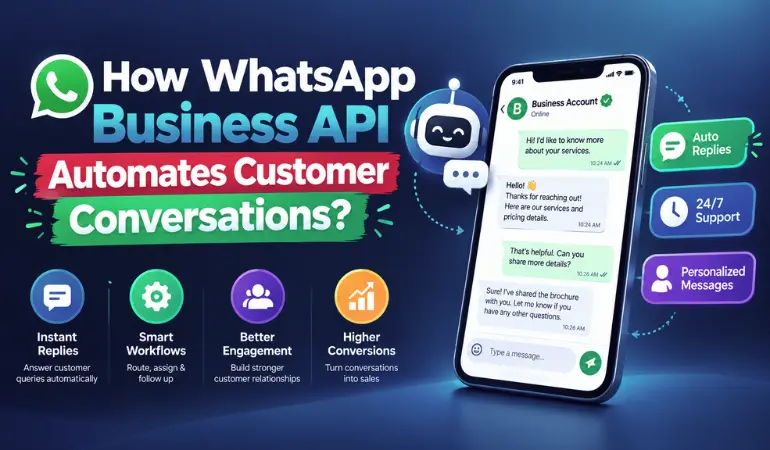
Automation is one of the key reasons businesses adopt the WhatsApp Business API. It helps reduce repetitive manual tasks and allows teams to manage customer conversations more systematically.
Look for automation capabilities such as:
• Automated replies to common enquiries
• Chatbots for customer interactions
• Welcome messages for new conversations
• Lead qualification and information collection
• Frequently asked question automation
• Appointment reminders and notifications
• Automated sales follow-ups
• Smooth handover from bots to human agents
HelloAll offers chatbot, campaign and live-agent capabilities that businesses can evaluate for managing different types of customer interactions.
When comparing providers, consider whether their automation features support your actual customer journey, from the first enquiry to follow-up and ongoing customer support.
3. Check CRM and Software Integrations
A WhatsApp Business API solution becomes more useful when it connects with the tools your business already uses.
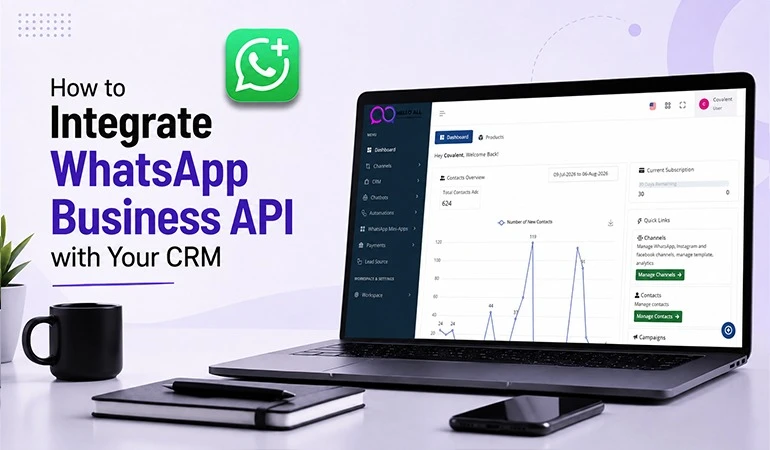
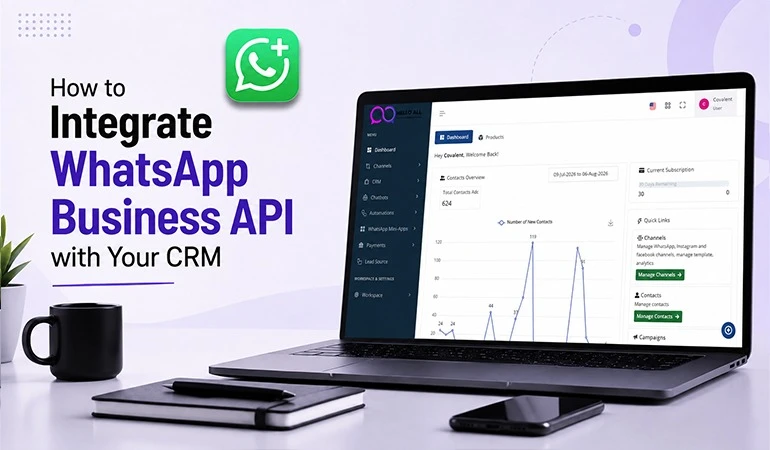
For example, CRM integration can help sales teams capture WhatsApp enquiries, maintain conversation records, organise lead information and manage follow-ups from a central system. This can reduce the need to switch between multiple applications.
Before selecting a provider, check whether it supports your existing CRM, website, e-commerce platform or custom business software.
HelloAll supports CRM integration and API-based connections for business workflows. Businesses should discuss their specific technical requirements with the provider to understand the available integration options and implementation process.
4. Compare Pricing Carefully
Pricing is an important consideration when selecting a WhatsApp Business API provider. However, comparing platforms only by their advertised subscription fees may not give you an accurate picture of the total cost.
Request a detailed breakdown of applicable charges, including:
• WhatsApp messaging charges
• Platform subscription fees
• Initial setup costs
• Automation and chatbot charges
• Additional user fees
• CRM and software integration costs
• Technical support charges, where applicable
• Minimum usage or contract commitments
The final cost may vary depending on messaging volume, platform features, integration requirements and the provider's pricing structure.
Compare the total expected expenditure with the features your business actually needs. This helps you assess the overall value of a solution rather than focusing on the lowest advertised price.
5. Look at Customer Support
Reliable technical support is important when WhatsApp is used for customer service, sales communication and time-sensitive notifications.
If your team encounters account configuration issues, integration errors or automation problems, timely assistance can help minimise operational disruption.
Before selecting a provider, evaluate the following support factors:
• Availability of customer support
• Process for raising and tracking support requests
• Technical troubleshooting assistance
• Availability of product documentation
• Account setup and onboarding guidance
• CRM and API integration support
Ask how technical issues are handled and whether your team will receive assistance during implementation. Understanding the support process beforehand can help you set realistic expectations for ongoing platform usage.
6. Review Scalability
Your WhatsApp communication requirements may evolve as your business expands. A solution that meets your current needs should also be capable of supporting your future operational requirements.
For instance, a business may initially use WhatsApp for basic customer enquiries before introducing multiple agents, CRM integrations, chatbot workflows and larger messaging campaigns.
When evaluating providers, check whether the platform can accommodate additional users, higher conversation volumes and more advanced automation as your business grows.
It is also worth understanding the migration process, data access arrangements and integration flexibility in case your requirements change in the future.
7. Check Analytics and Reporting
Analytics and reporting help businesses monitor WhatsApp communication and understand how customers interact with their messages.
Useful reporting capabilities may include:
• Message delivery status
• Message read activity, where available
• Customer response tracking
• Campaign performance metrics
• Conversation history
• Lead activity and follow-up status
HelloAll offers reporting and campaign visibility features that businesses can assess for monitoring communication activity from a central platform.
Before making a decision, review the reports available, the frequency of data updates and whether the platform provides the information your sales, marketing and customer support teams need.
8. Consider Security and Data Handling
Business conversations may contain customer names, phone numbers, order details and other sensitive business information. Therefore, security and responsible data handling should be important parts of your provider evaluation.
Ask how customer information is stored and processed, what account access controls are available and how permissions can be managed for different team members.
You should also understand the provider's data retention practices, integration security measures and procedures for handling account access.
In addition, businesses must follow applicable privacy requirements and maintain appropriate customer consent and opt-out processes for WhatsApp communication.
Evaluating these considerations before implementation can help your organisation establish more responsible communication workflows.
9. Check Template and Campaign Management
Businesses frequently use WhatsApp message templates for order updates, appointment reminders, notifications and other types of business-initiated communication.
A suitable provider should make it easy to create, submit, organise and monitor message templates in accordance with applicable WhatsApp requirements.
HelloAll supports template-related API functions and different message formats for structured WhatsApp communication workflows.
Before choosing a platform, check how template approvals are managed, whether template status is visible within the system and how campaigns can be configured and monitored.
These capabilities can help your team organise outbound communication and manage campaigns more efficiently.
Use Case 1: Lead Generation and Sales
Consider a real estate company that runs digital advertising campaigns directing potential buyers to WhatsApp.
When a prospect initiates a conversation, an automated workflow can collect relevant information before assigning the enquiry to a sales representative.
The workflow may ask about:
• Preferred property location
• Required property type
• Approximate budget
• Expected buying timeline
Once the prospect shares these details, the system can organise the information and route the conversation to the appropriate salesperson.
This process helps sales teams understand customer requirements before responding, making lead handling more structured and follow-ups easier to manage.
Use Case 2: Customer Notifications
An e-commerce business can use the WhatsApp Business API to keep customers informed throughout the order fulfilment process.
Instead of relying entirely on manual messages, the business can integrate WhatsApp with its order management system to send relevant updates based on predefined events.
Automated notifications may include:
• Order confirmation
• Payment confirmation
• Shipping and dispatch updates
• Delivery notifications
• Customer support information
These notifications provide customers with timely order-related information through a familiar communication channel. They can also help reduce repetitive enquiries that would otherwise require manual responses from the support team.
The exact workflow depends on the business's systems, integration capabilities and applicable messaging requirements.
Case Study 1: Improving Lead Follow-Up
Consider a digital services company that receives customer enquiries through online advertising campaigns.
Previously, employees had to contact each lead manually. During periods of high enquiry volume, some prospects experienced delayed responses, while others were missed during follow-up activities.
The company introduced a WhatsApp automation workflow to organise incoming enquiries. New prospects could receive an initial automated response, provide basic information and then be routed to the appropriate sales representative.
This approach helped structure the lead management process by reducing repetitive manual steps and making it easier for the team to handle incoming enquiries.
The primary operational benefit was a more organised follow-up workflow. Actual improvements in response times and lead conversion would depend on the implementation and business performance data.
Case Study 2: Streamlining Customer Support
Consider an online retailer that receives a high volume of customer questions about delivery status, returns, payment confirmation and product information.
Handling every enquiry manually can increase the workload for customer support agents, particularly when many questions involve the same routine information.
The retailer could introduce a WhatsApp automation workflow to answer frequently asked questions and guide customers towards relevant information.
When an enquiry requires individual attention, the conversation can be transferred to a support agent for further assistance.
This approach allows employees to concentrate on more complex customer issues while automation handles suitable routine interactions. The effectiveness of the workflow depends on the quality of the automated responses and the availability of timely human support.
WhatsApp Business API Provider Selection Checklist
Before finalising a provider, review the following questions to understand whether the platform matches your business requirements.
Provider evaluation checklist:
• Does the provider support the official WhatsApp Business Platform?
• Is the onboarding and account setup process clearly explained?
• Can it integrate with your CRM and existing business software?
• Does it offer suitable automation and chatbot features?
• Are messaging charges and additional fees explained transparently?
• Can multiple team members manage customer conversations?
• Are analytics and campaign reporting available?
• Is technical support accessible when required?
• Can the platform accommodate future business growth?
• Does the provider explain WhatsApp messaging policies and compliance requirements?
Use these questions to compare available solutions against your operational priorities, technical requirements and expected costs. A structured evaluation can help you make a more informed decision.
Why Choose HelloAll?
HelloAll provides WhatsApp Business API solutions focused on business communication, automation and customer engagement.
Its platform includes capabilities such as WhatsApp campaigns, chatbots, live-agent communication, reporting and CRM integration. These features can be evaluated for different business requirements, including lead generation, marketing communication, customer support and automated notifications.
Businesses considering HelloAll should review the available features, integration options, pricing structure and support arrangements to determine whether the platform aligns with their needs.
The right provider should offer a practical combination of messaging capabilities, workflow automation, integration flexibility, technical assistance and scalability. Evaluating these factors together can help businesses select a solution that supports both their current communication requirements and future plans.
FAQs
1. What should businesses consider when choosing a WhatsApp Business API provider?
+Businesses should evaluate official platform support, pricing, automation capabilities, CRM integrations, reporting, scalability and technical support. They should also review onboarding requirements and messaging compliance processes before selecting a provider.
2. Why is WhatsApp Business API integration important for businesses?
+Integration allows businesses to connect WhatsApp with CRM systems, websites, e-commerce platforms and customer support tools. This can help centralise customer information, organise follow-ups and automate communication workflows.
3. How important is message delivery speed for a WhatsApp API provider?
+Reliable and timely message delivery is important for OTPs, order updates, reminders, alerts and other time-sensitive communications. Businesses should review available delivery reporting and understand that delivery timing can depend on network conditions, platform requirements and recipient availability.
4. Can a WhatsApp Business API provider support business automation?
+Yes. Depending on the provider's capabilities and configuration, businesses can implement automated replies, chatbots, notifications, lead qualification and customer communication workflows. More complex interactions can be routed to human agents when necessary.
5. What kind of customer support should a WhatsApp API provider offer?
+A provider should clearly explain its technical support process, account setup assistance, API troubleshooting resources, product documentation and integration support. Businesses should also check support availability and response procedures before committing to a platform.