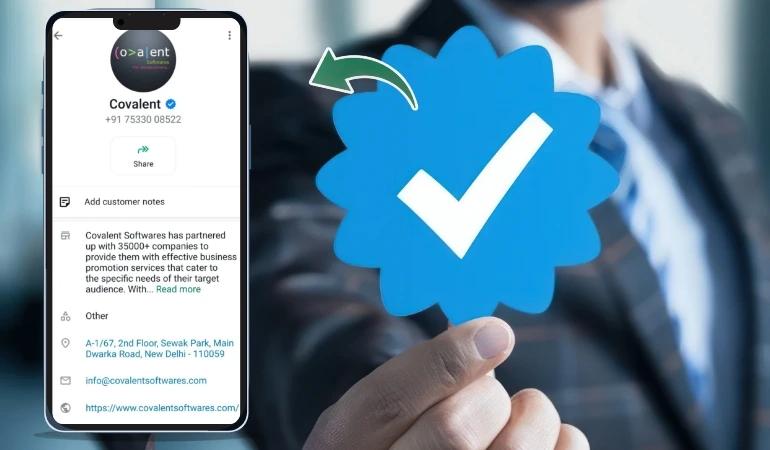
Get WhatsApp Blue Tick Verified with 10% off
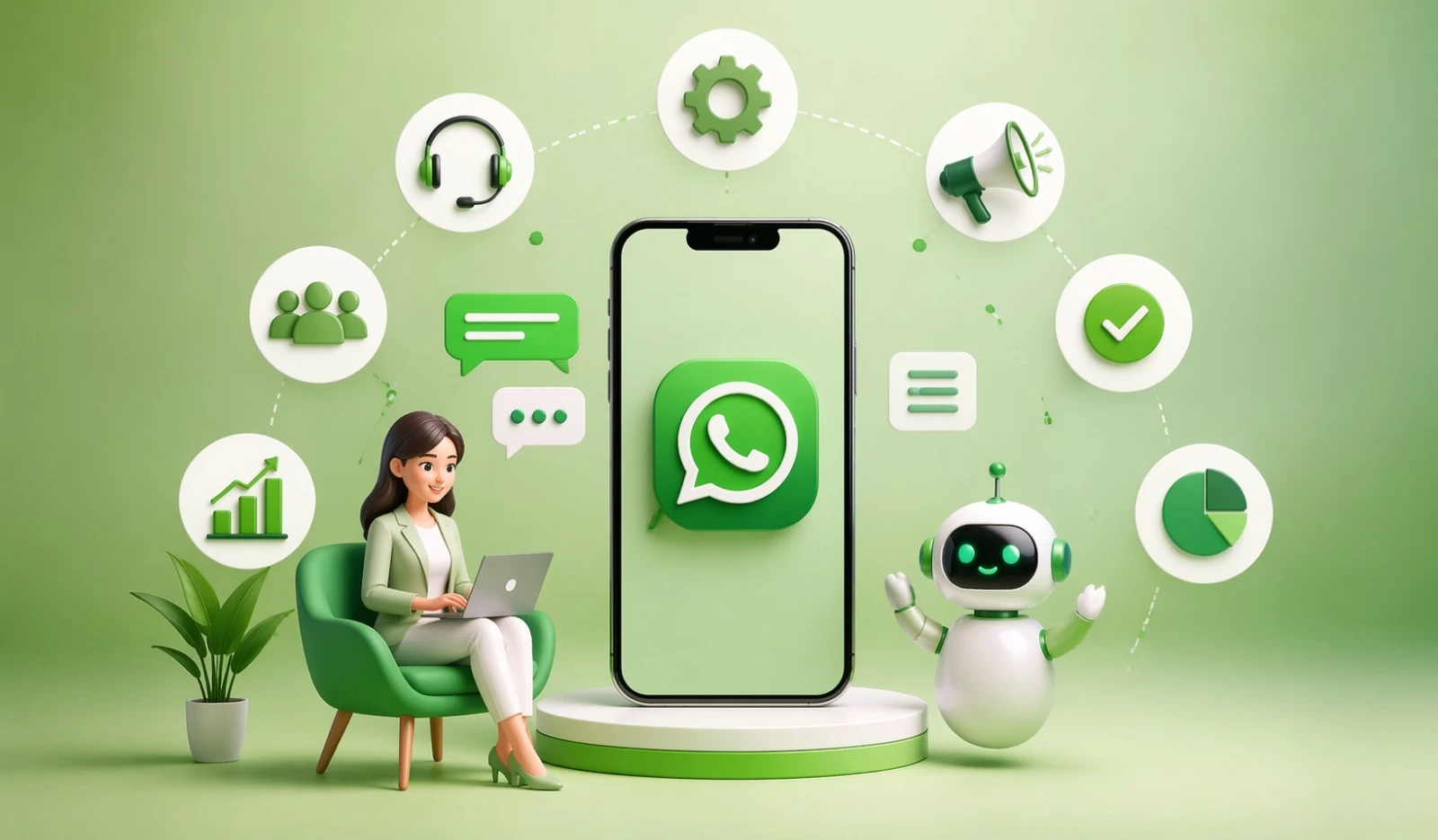
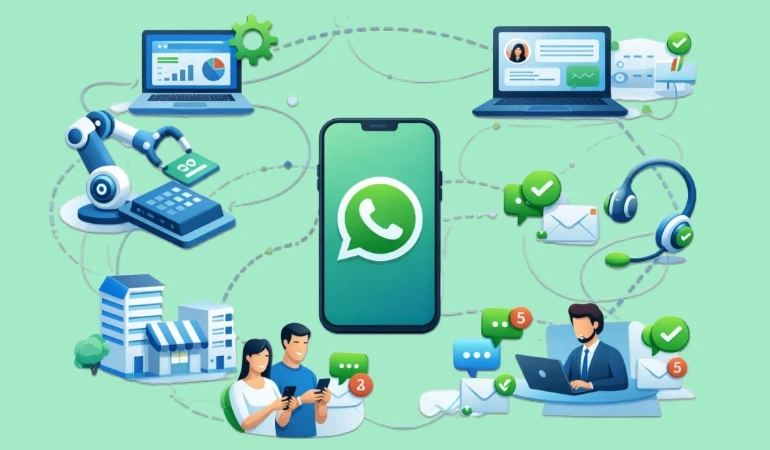
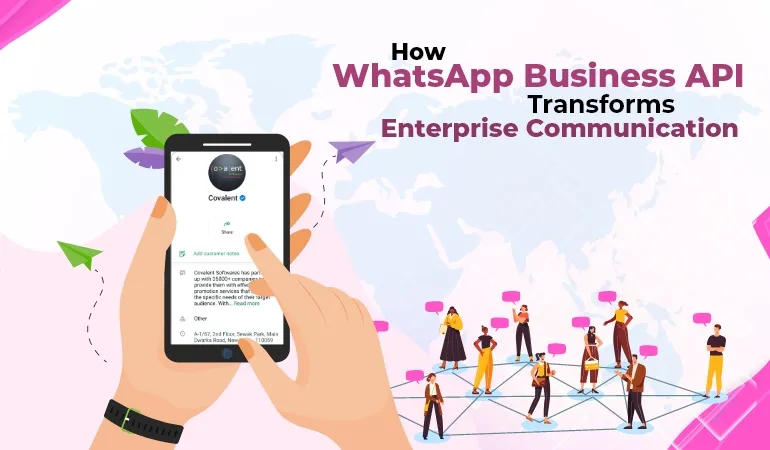
In today's world, customers seek fast, easy and reliable communication. Messaging has become far more convenient than emails or phone calls. For this very reason, many companies are utilizing the WhatsApp Business API to connect with their customers.
WhatsApp is the most widely used messaging platform globally, including in India. Consequently, when a customer can communicate directly with a brand on this familiar platform, the engagement strengthens and trust grows.
What is the WhatsApp Business API?
The WhatsApp Business API is a platform that enables companies to communicate with customers on a large scale. It differs from the standard WhatsApp or the WhatsApp Business App by offering advanced features such as automation, CRM integration, and the ability to send messages in bulk.
It is currently being utilized across various sectors, including e-commerce, education, healthcare, finance and many others.
Customer Communication?
Customer Communication refers to building a strong relationship between a customer and a brand. When a customer receives the right information at the right time, their overall experience is significantly improved.
Effective customer engagement relies on:
• Rapid responses
• Personalized communication
• Hassle-free support
• Reliable information
• Regular updates
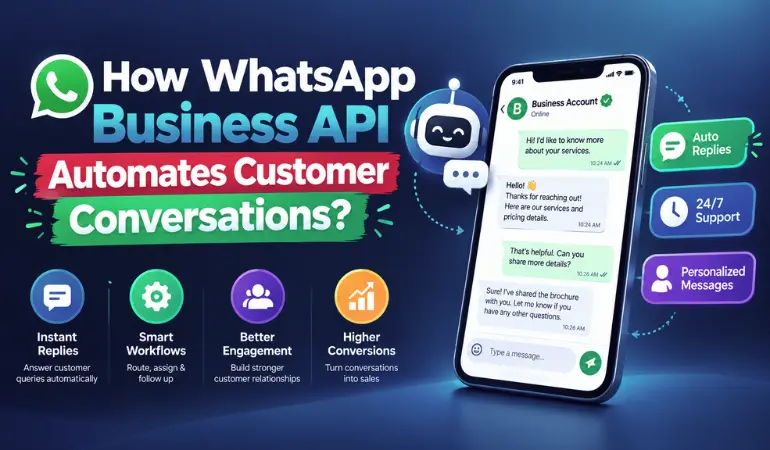
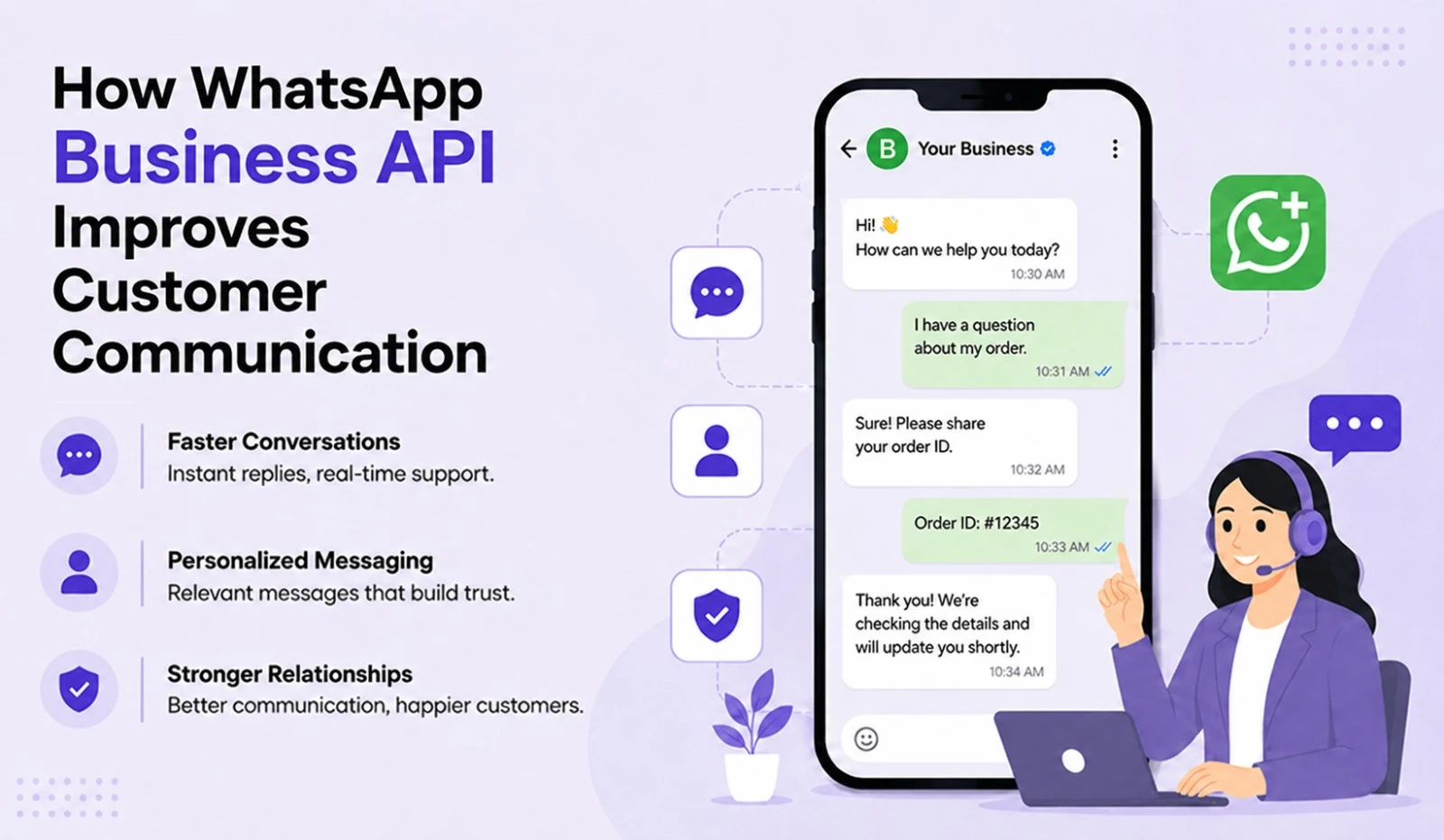
The WhatsApp Business API simplifies all of these aspects.
Key Benefits of the WhatsApp Business API
1. Instant Responses and Enhanced Customer Experience
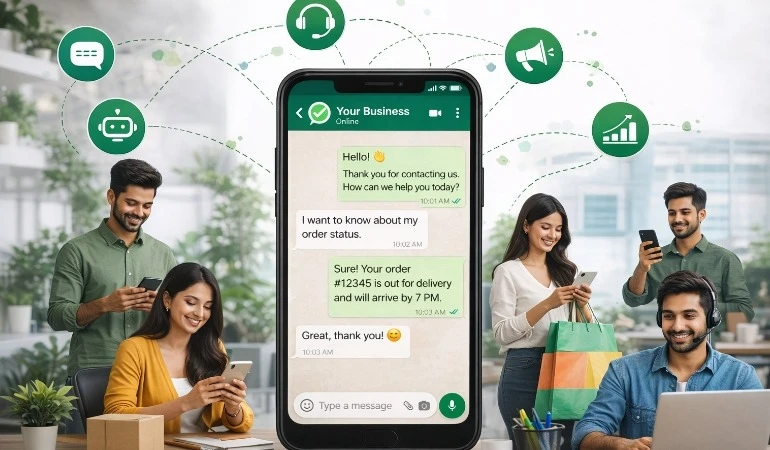
Today, customers are unwilling to wait for extended periods. The WhatsApp Business API facilitates immediate responses through automated messages.
Examples:
• Order confirmations
• Appointment reminders
• Payment updates
• Delivery status updates
Prompt responses ensure customer satisfaction and increase the likelihood of repeat business.
2. Personalized Communication
The WhatsApp Business API allows businesses to send personalized messages tailored to a customer's name, preferences, and interaction history.
Examples of Personalization:
• Messages with customer names
• Offers based on preferences
• Birthday or special greetings
• Recommendations based on past orders
3. Time and Cost Savings through Automation
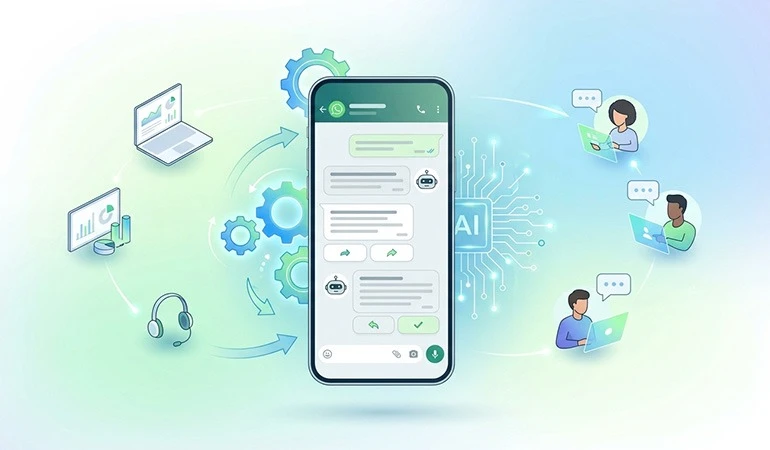
Many common questions are asked repeatedly. The WhatsApp Business API can automatically answer such queries via chatbots.
Uses of Automation:
• FAQ responses
• Lead collection
• Booking confirmations
• Complaint registration
4. High Open Rates and Improved Conversions
Compared to emails, WhatsApp messages are read more frequently. Most people check a message as soon as it arrives.
Results:
• Higher click-through rates
• Increased engagement
• Improved sales
5. Integration with CRM and Other Tools
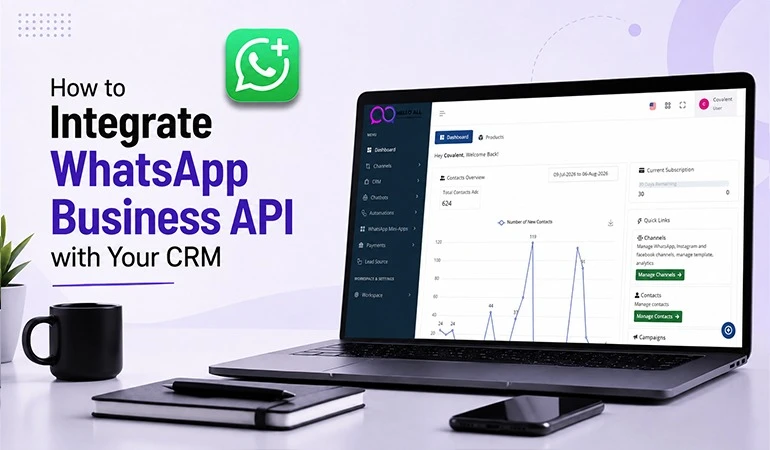
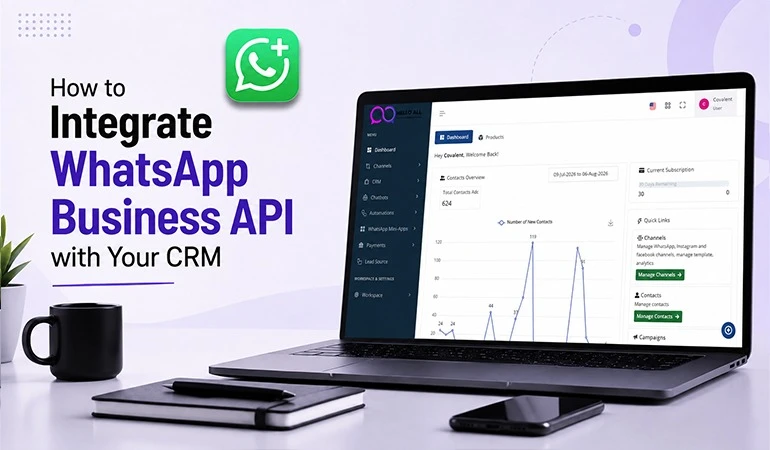
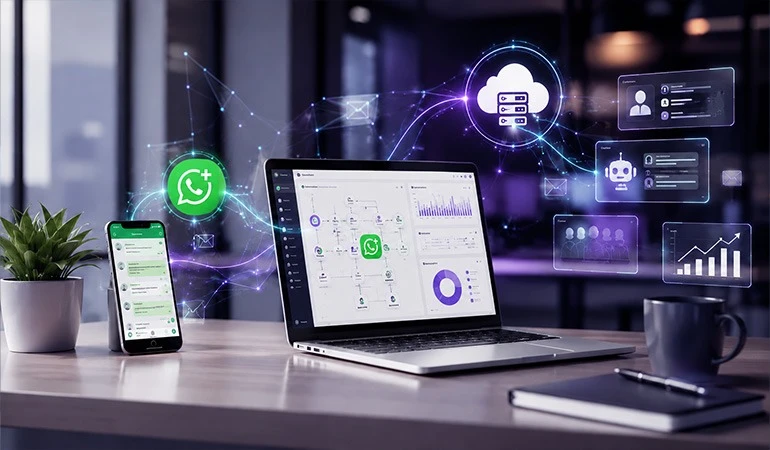
The WhatsApp Business API can be integrated with CRM systems. This ensures that complete customer data is securely stored in one centralized location.
Benefits:
• Easy access to customer history
• Improved follow-ups
• Stronger customer relationships
6. Secure and Reliable Communication
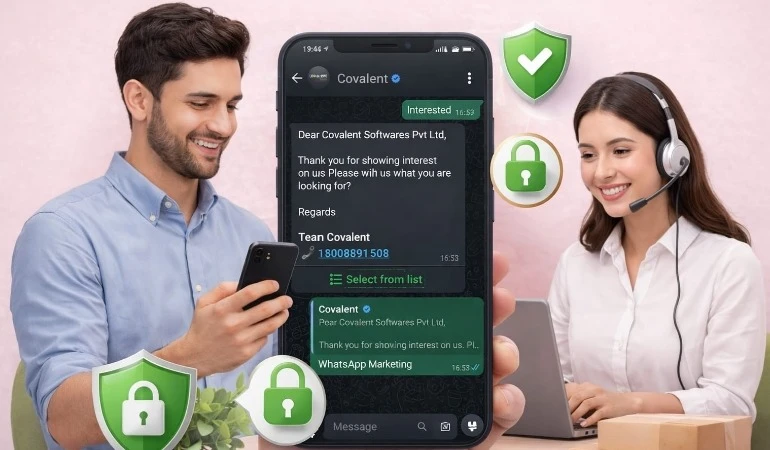
WhatsApp utilizes end-to-end encryption, ensuring that information remains secure.
Customers feel more secure when sharing sensitive information.
Which Businesses Can Benefit?
The WhatsApp Business API is beneficial for almost every industry:
• E-commerce
• Educational Institutions
• Healthcare
• Real Estate
• Banking and Finance
• Travel Companies
• Service-based Businesses
Simple Ways to Improve Customer Engagement
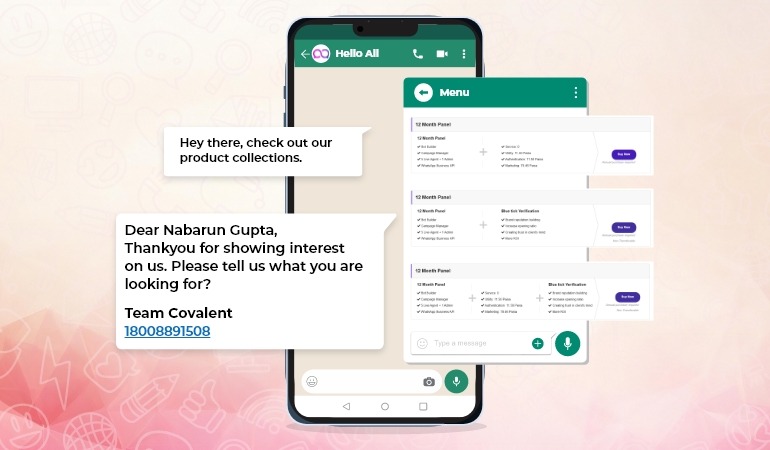
• Set up a welcome message
• Enable auto-replies
• Send regular updates
• Resolve customer issues quickly
FAQs
What is the difference between the WhatsApp Business API and the WhatsApp Business App?
+The WhatsApp Business App is designed for small businesses, whereas the API is used for large-scale communication and automation.
Is the WhatsApp Business API secure?
+Yes, it comes with end-to-end encryption, ensuring that customer information remains secure.
Can small businesses use the WhatsApp Business API?
+Yes, if they need automation and higher customer interaction.
How does the WhatsApp Business API boost sales?
+Fast responses and personalized communication increase trust and conversions.
Can it be integrated with a CRM?
+Yes, it can be integrated with CRM systems for better data management.