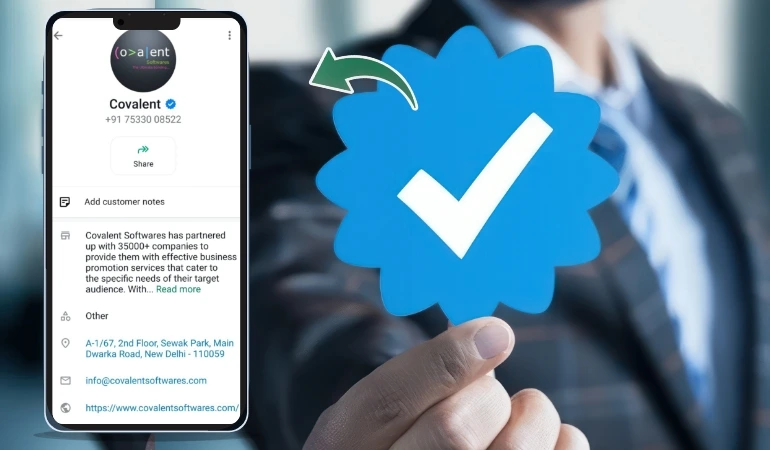
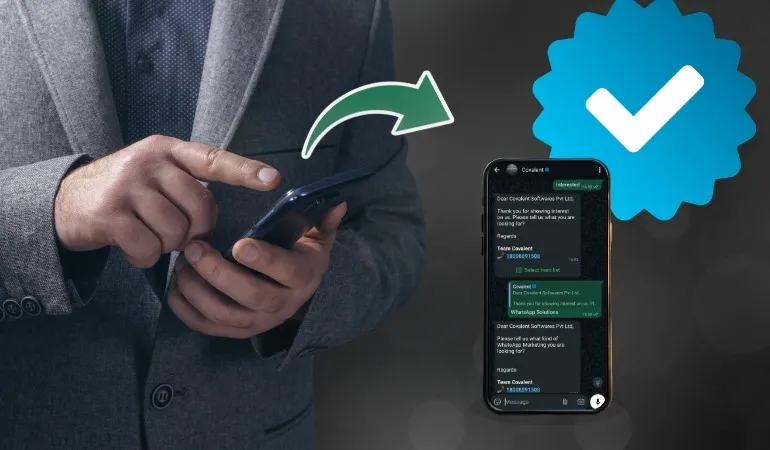
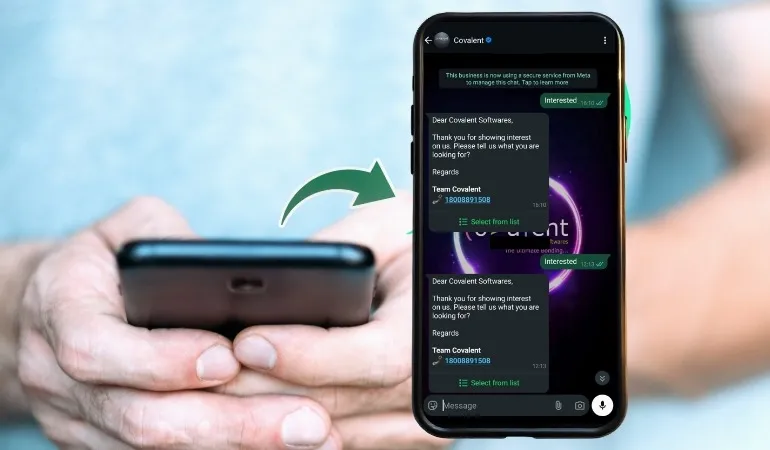
Get WhatsApp Blue Tick Verified with 10% off
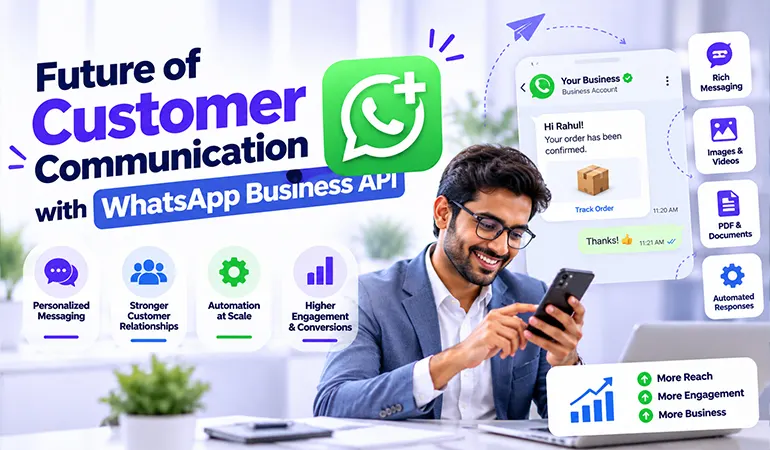
Customer communication is moving towards faster, more personal and more convenient conversations. People want businesses to answer questions quickly, provide timely updates and offer support without making them navigate complicated processes. For companies managing hundreds or thousands of customer interactions, meeting these expectations requires a reliable communication system.
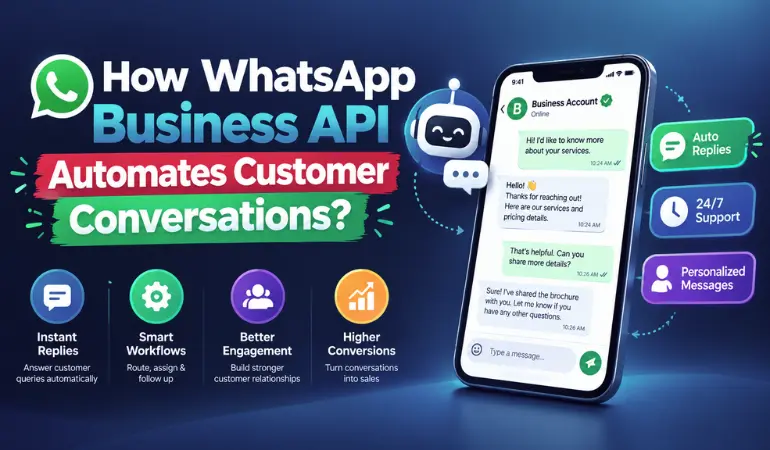
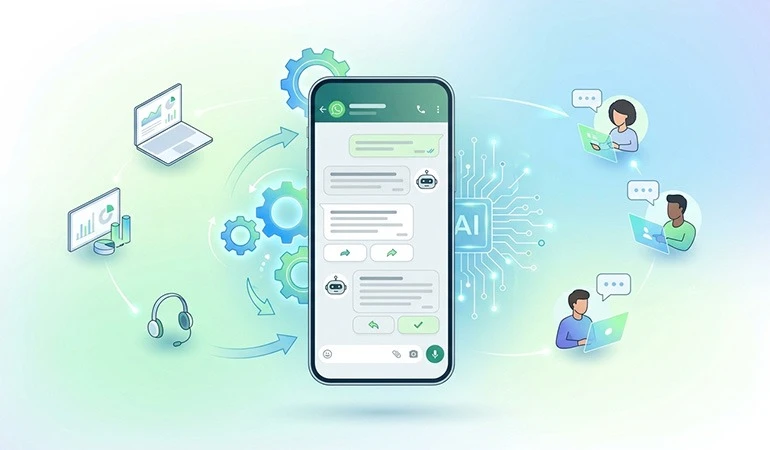
The WhatsApp Business API, part of the WhatsApp Business Platform, helps businesses manage conversations at scale through automation, integrations, interactive messages and customer support workflows. As artificial intelligence and business messaging continue to develop, WhatsApp is becoming an important channel for connecting marketing, sales and customer service.
For Hello All, understanding these developments is essential to helping businesses prepare for the next stage of digital communication.
What Is WhatsApp Business API?
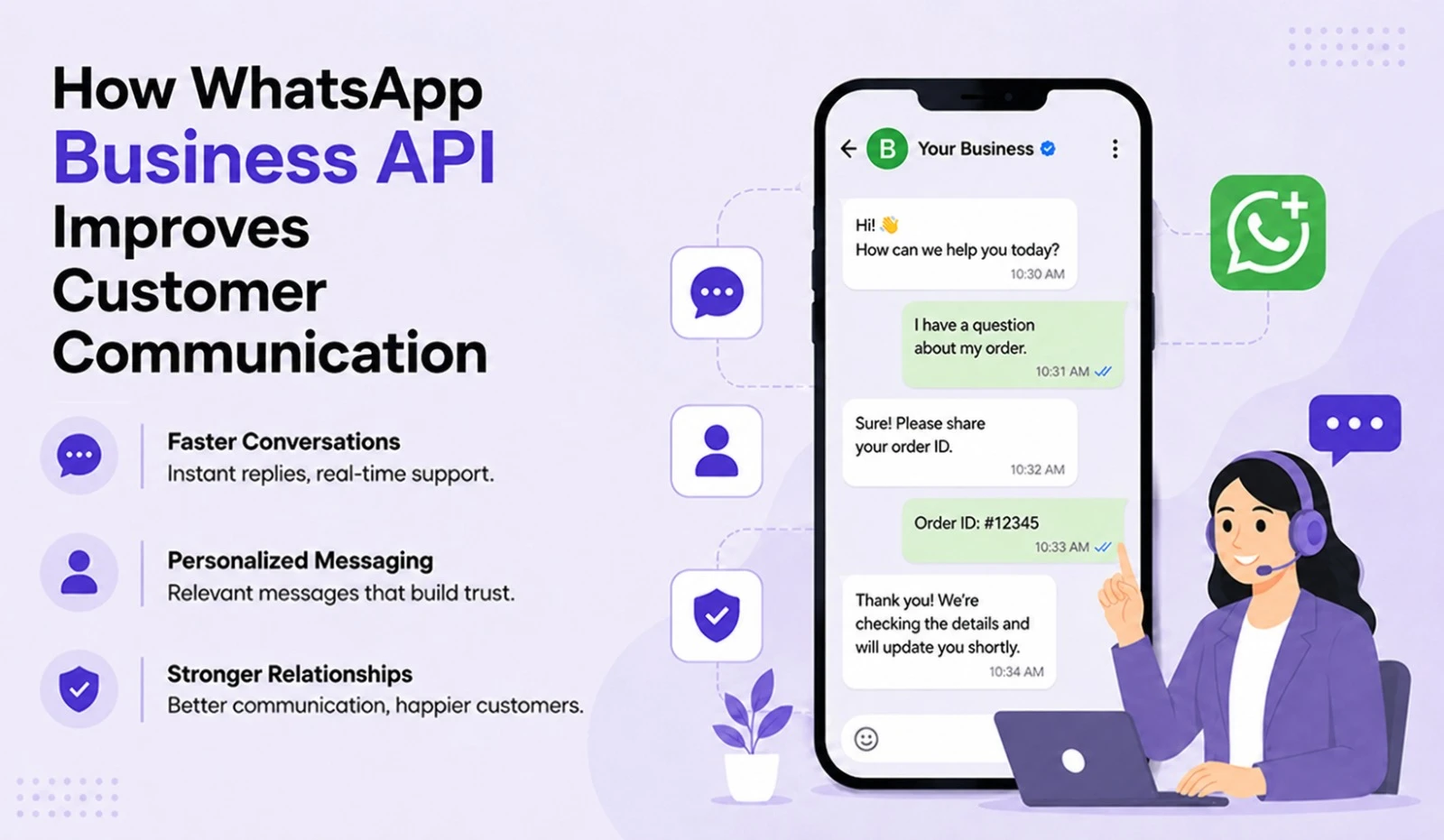
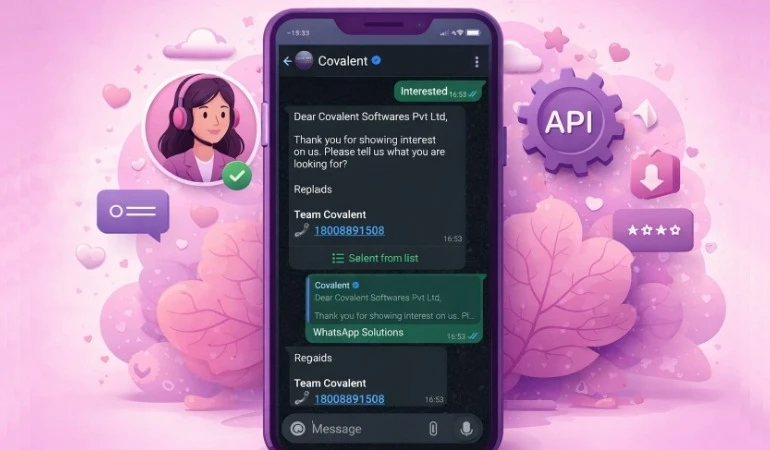
WhatsApp Business API enables businesses to send and receive messages through integrated systems rather than relying only on manual conversations in the standard WhatsApp Business app.
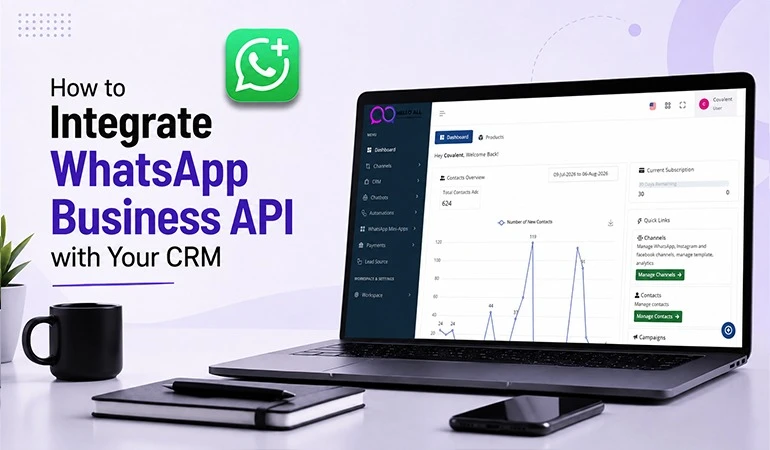
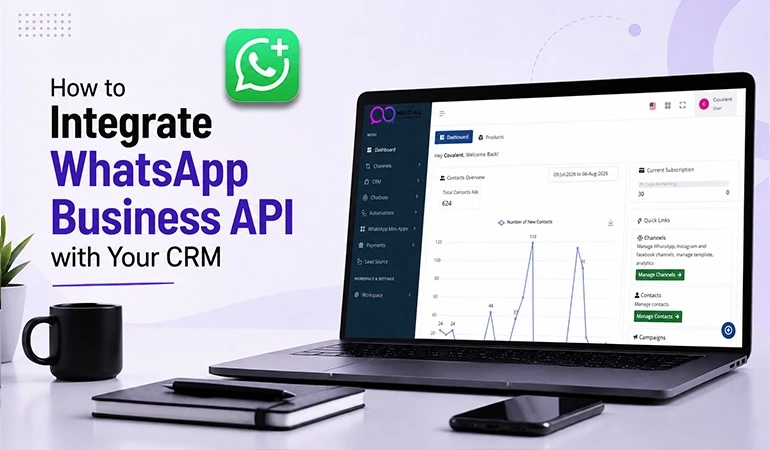
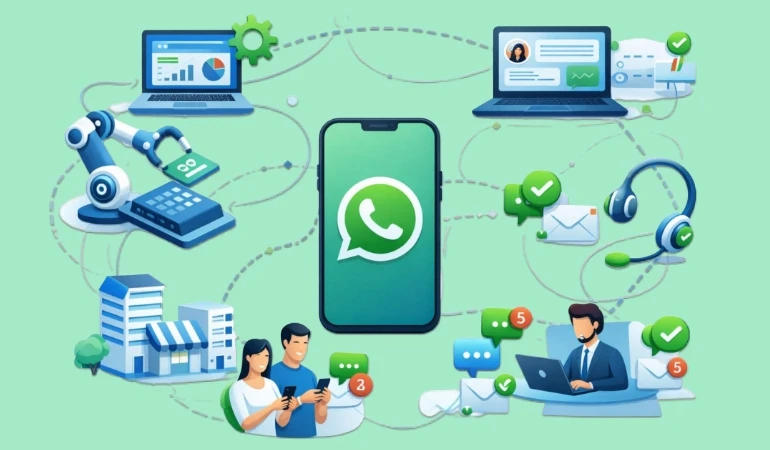
It can connect messaging with customer relationship management (CRM) software, e-commerce platforms, support systems and other business applications.
Key capabilities include:
• Automated notifications and customer responses.
• Approved message templates for business-initiated conversations.
• Product messages, images, documents and interactive buttons.
• Integration with CRM and customer support platforms.
• Chatbot workflows and human agent handovers.
• Message status tracking and reporting.
These capabilities allow businesses to manage customer conversations more systematically while maintaining a familiar messaging experience.
How WhatsApp Business API Will Shape Future Customer Communication
1. AI-Powered Customer Support
Artificial intelligence is changing how businesses handle routine customer enquiries. AI-assisted systems can answer common questions, provide product information, collect basic details and guide customers through simple processes.
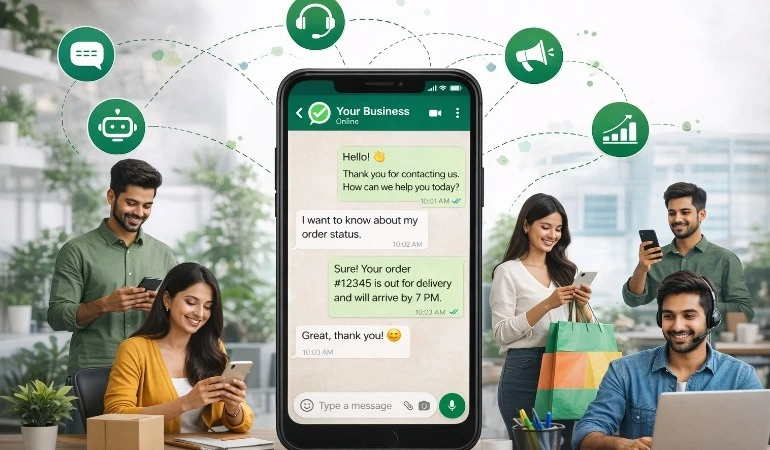
For example, an online retailer could use an automated assistant to explain delivery policies or help customers locate order information.
In the future, businesses are likely to combine AI assistance with human support more closely. Automated systems can handle straightforward requests, while trained staff take over complaints, sensitive issues, or complex enquiries.
Hello All can help businesses explore messaging workflows that balance automation with personal service.
2. Personalised Customer Conversations
Customers respond better when messages match their needs and interests. With appropriate consent and access to relevant customer data, businesses can use integrations to make communication more relevant.
Examples include:
• Product recommendations based on previous purchases.
• Reminders for upcoming appointments.
• Updates about orders and deliveries.
• Offers tailored to customer preferences.
• Follow-ups based on an enquiry or purchase.
Personalisation should always serve a clear purpose. Sending excessive promotional messages can damage trust and encourage customers to block a business.
3. Automated Sales and Lead Generation
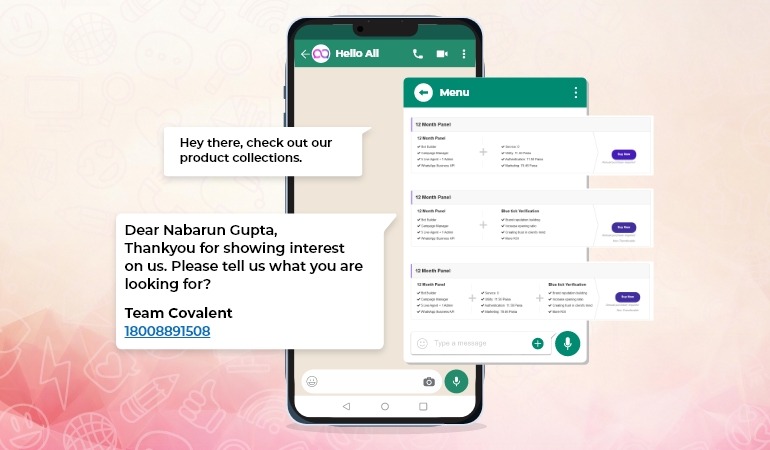
WhatsApp Business API can help businesses respond to new enquiries, collect lead information, share product details and guide potential customers towards a purchase.
A customer who clicks a WhatsApp advertisement could receive an initial response, select a service category and request a quotation through a structured conversation.
When connected to a CRM, the enquiry can be assigned to the appropriate sales representative. This reduces the chance of leads being overlooked and helps sales teams follow up more consistently.
4. Richer and More Interactive Messaging
Business messaging is developing beyond plain text. WhatsApp supports features such as reply buttons, list messages, media and product messages, depending on the message type and implementation.
These features can make everyday tasks easier. Customers may select a service, review product information, confirm a booking, or request assistance directly within a conversation.
WhatsApp Flows can also support structured interactions such as appointment booking, product browsing and feedback collection.
5. Stronger Integration Across Business Systems
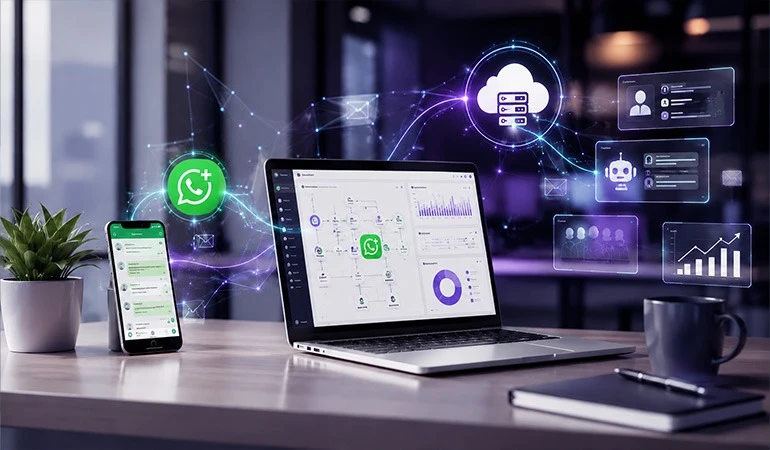
The future of customer communication depends on how well different systems work together. Connecting WhatsApp with CRM software, inventory systems, payment processes and customer support tools can reduce repetitive manual work.
For instance, when an order is dispatched, an integrated system can trigger a relevant notification. If the customer replies with a question, the conversation can be routed to the support team.
These workflows help businesses keep information consistent across departments and provide customers with more timely updates.
6. More Measurable Marketing Campaigns
WhatsApp messaging can support marketing campaigns that encourage customers to enquire, explore products, or complete purchases.
Businesses can monitor available reporting signals and connect messaging activity with website analytics, CRM records and sales data.
Useful performance measures include:
• Message delivery and read rates where available.
• Customer replies and qualified enquiries.
• Conversion rates and completed purchases.
• Cost per lead and customer acquisition cost.
• Opt-outs, blocks and customer feedback.
The goal is to understand which conversations produce meaningful business results, rather than measuring campaign success by message volume alone.
Industries That Can Benefit from WhatsApp Business API
E-commerce and Retail
Retailers can send order confirmations, shipping updates, product recommendations and customer support messages. Automated workflows can also help customers find products and resolve common purchase-related questions.
Healthcare
Clinics can send appointment reminders, provide general service information and support booking enquiries. Sensitive health information must be handled carefully, with suitable consent, access controls and privacy safeguards.
Education
Schools, colleges and training institutes can respond to course enquiries, share admission updates, schedule counselling sessions and remind students about important dates.
Banking and Financial Services
Financial service providers can use approved messaging workflows for relevant notifications, customer assistance and authentication-related communication. Security controls and applicable regulatory requirements remain essential.
Travel and Hospitality
Hotels, travel agencies and transport providers can send booking confirmations, itinerary updates, check-in information and service notifications through suitable integrations.
Practical Use Cases of WhatsApp Business API
Use Case 1: Automated E-commerce Order Updates
An online store receives hundreds of daily questions about order status and delivery dates. Its team connects WhatsApp messaging with its order management system.
Customers receive relevant updates when their orders are confirmed or dispatched. They can also contact support if they need further assistance.
This approach can reduce repetitive enquiries and improve access to order information. The actual benefit depends on integration quality and customer adoption.
Use Case 2: Lead Management for a Training Institute
A training institute receives enquiries about course fees, schedules and eligibility through its website and advertising campaigns.
The institute directs interested prospects to WhatsApp, where an automated workflow answers common questions and collects relevant details. Qualified enquiries are then assigned to counsellors for follow-up.
The institute can measure response time, counselling bookings, qualified leads and enrolments to assess the effectiveness of the process.
Case Studies in WhatsApp-Based Customer Communication
Case Study 1: Improving Customer Support for an Online Retailer
Challenge: A growing online retailer struggles to respond promptly to repeated questions about shipping, returns and product availability.
Approach: The retailer introduces a WhatsApp-based support workflow with automated answers to common questions and a clear route to human agents. Order information is connected through an appropriate integration.
Expected outcome: Faster access to routine information, more consistent responses and better visibility into unresolved enquiries.
Key lesson: Automation is most useful when customers can reach a person whenever their request requires individual attention.
This is an illustrative case study, not a verified customer engagement.
Case Study 2: Managing Admissions Enquiries
Challenge: An educational institute receives a high volume of enquiries during its admission season. Staff struggle to answer every prospect and maintain consistent follow-ups.
Approach: The institute uses WhatsApp messaging to share course details, collect enquiry information, schedule counselling and route qualified leads to the admissions team.
Expected outcome: A more organised enquiry process and clearer tracking of prospective students from their first message to enrolment.
Key lesson: Integrating messaging with lead management helps businesses connect customer conversations with measurable outcomes.
This is also an illustrative scenario, not a report of verified client results.
Best Practices for Using WhatsApp Business API
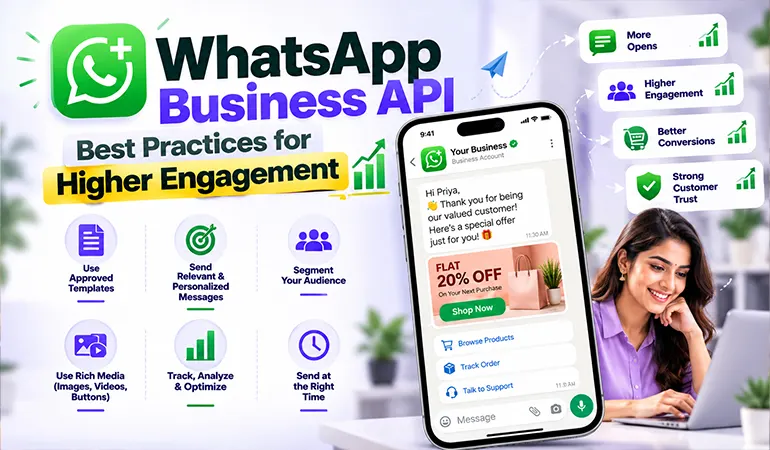
Businesses should establish clear processes before expanding their messaging activities.
• Obtain customer consent: Message people in accordance with WhatsApp policies and applicable law.
• Use approved templates: Business-initiated messages outside the customer service window generally require approved templates.
• Keep messages relevant: Send information that matches the customer's request or preferences.
• Provide human support: Make escalation options clear when automation cannot resolve an issue.
• Protect customer information: Apply appropriate access controls and data-handling procedures.
• Monitor performance: Review delivery, customer responses, conversions and feedback.
• Check pricing and policies: Confirm current platform charges, template rules and provider terms before launching campaigns.
Following these practices helps businesses maintain a useful, trustworthy messaging experience.
How Hello All Can Help Businesses Prepare for the Future
As customer expectations change, businesses need communication systems that support timely responses, organised follow-ups and consistent service.
Hello All can help businesses explore how WhatsApp Business API fits into their broader customer communication strategy, including automation, lead management, notifications and customer support workflows.
Before implementation, businesses should assess their messaging volume, integration needs, customer consent processes, reporting requirements and available budget. A small pilot can help identify practical improvements before a wider rollout.
FAQs About WhatsApp Business API
1. What is WhatsApp Business API used for?
+It helps businesses automate messages, manage customer enquiries, send notifications and connect WhatsApp with other business systems.
2. Can WhatsApp Business API automate customer support?
+Yes. It can support automated responses and chatbot workflows, with human agents available for complex enquiries.
3. Is WhatsApp Business API suitable for small businesses?
+Yes. It can suit small businesses that need structured messaging, integrations, or greater automation as their customer base grows.
4. Can WhatsApp Business API improve sales?
+It can support lead generation, product enquiries, follow-ups and purchase assistance. Results depend on the offer, audience and sales process.
5. Do businesses need customer consent?
+Yes. Businesses must follow WhatsApp's messaging policies and applicable consent and privacy requirements.
6. How can Hello All help businesses?
+Hello All can help businesses explore suitable WhatsApp messaging solutions and plan workflows for customer engagement, automation and lead management.